
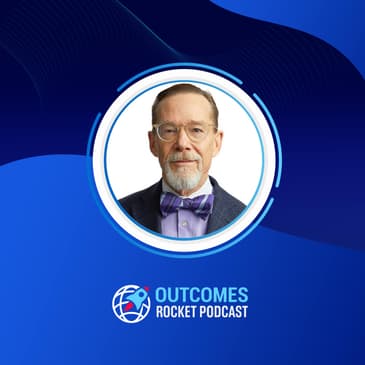
Direct communication between patients and cardiologists through smartphone technology has revolutionized heart health monitoring.
In this episode at ACC.24, Dr. David Albert, Chief Medical Officer and founder of AliveCor, shares the journey of his company revolutionizing cardiology with innovative technology reaching over 250 million ECGs from 5 million individuals across 40 countries in 15 years. AliveCor's devices empower consumers with FDA-cleared medical products, allowing them to personally monitor their heart health anytime, anywhere, fulfilling the need for direct patient-cardiologist communication through smartphone and wireless technology. He discusses the pivotal role of AI in healthcare when augmenting medical professionals' capabilities amidst a shortage of cardiologists, and enhancing patient engagement and compliance. Dr. Albert also urges listeners to prioritize their health, utilize tools like AliveCor's Kardia brand for proactive heart monitoring, and engage with healthcare professionals regularly.
Join Dr. David Albert as he dives into AliveCor's journey, the future of AI in heart health, and the importance of proactive monitoring for everyone!
Resources:
[00:00:02] Hey everybody welcome back to the Outcomes Rocket here live at ACC 24 in Atlanta, Georgia
[00:00:09] I have the privilege of hosting
[00:00:12] Dr. David Albert today. He is the chief medical officer and founder at Alivecore
[00:00:19] Thank you for joining me today Dr. Albert. My pleasure sir
[00:00:22] How's the meeting been for you so far? Well, it's been chaotic
[00:00:25] We have a very busy booth schedule and I have a lot of meetings and a lot of sessions
[00:00:30] I want to go to so I've stayed busy the whole time. Well, that's great
[00:00:34] And thank you for making time for us today despite your busy schedule my pleasure
[00:00:38] And so one of the things that I want to do today in our time together
[00:00:42] Dr. Albert is really dive into the work that you guys are doing at Alivecore and how it's making a difference in particular to cardiology
[00:00:50] But before we do that, I'd love to learn more about you and the company
[00:00:53] The company started about 15 years ago. We really been in in
[00:00:59] commercialization phase since about 2013 so just 11 years ago and
[00:01:04] We've grown pretty significantly. So we're we just this past week reached over
[00:01:10] 250 million ECG's in our cloud database and that comes we've opened from over five
[00:01:17] million different people and we're used by active users of over a million people around the world over 40 countries
[00:01:24] So it's a business. It's grown far beyond what I thought
[00:01:28] 1112 years ago. Wow. And so when you started it and I'm always
[00:01:32] Fascinated by founder stories. What did you envision for it? It actually comes from an idea I had in
[00:01:38] 1995
[00:01:40] Where I saw the need for a direct path of communication between a patient and their
[00:01:45] cardiologist and the delivery of critical potentially life critical information the electrocardiogram their cardiac rhythm
[00:01:53] to the person who could best deal with that if there was a problem and so that technology didn't exist in 1995 and
[00:02:01] only with the add-on smartphones wireless communication technology and
[00:02:07] Did this become a reality and alive go get launched in?
[00:02:11] 2011 and ultimately went into market got FDA clearance 2013 and
[00:02:16] And today we have a sizable business and are used around the world by virtually every major medical center
[00:02:22] And we have an impact and you never know what kind of impact you're gonna have I have to tell you that at this meeting
[00:02:29] I probably had a half dozen people walk up to me and thank me really what did they what did they thank you for?
[00:02:35] They said thank you for inventing this. Wow. Thank you for helping me my patients my dad
[00:02:40] And that's what makes the whole thing worthwhile. I can tell you how did that make you feel like just it's a humbling thing
[00:02:45] That it's a humbling thing when I when somebody writes us and says, thank you for saving my dad's life
[00:02:52] Well, I'm not sure we did that but you're very welcome
[00:02:56] That's my pleasure. That's incredible
[00:02:58] What a great feeling to know that the work that you're doing is making an impact in people's lives here at ACC 24
[00:03:06] It's as much about
[00:03:08] Sharing what we've done as it is learning from others
[00:03:11] So is there a particular insight that's risen to the top for you at the meetings?
[00:03:15] Well, there is as a matter of fact
[00:03:17] I think we have a worldwide epidemic of obesity. We need to stop shaming people
[00:03:23] We need to treat it as a disease and the American College of cardiology. I can tell you cardiologists in general now
[00:03:29] I know many cardiologists
[00:03:32] We today make our living
[00:03:36] Taking care of sick people
[00:03:38] Tomorrow, I hope we make our living by preventing sick people and that's treating obesity
[00:03:44] Hypertension hyperlipidemia
[00:03:46] Those are some of the messages. I think are being transmitted. We're not quite there yet, but we're getting closer and prevention is
[00:03:54] Is the ultimate goal in ours? It's not treatment. We do that pretty well today, but we need to learn how to better prevent
[00:04:03] That's fantastic. Thank you for that
[00:04:04] And certainly it is a hot topic and it is making a big difference and
[00:04:09] Prevention is key and and so I want to ask you on the topic of AI in
[00:04:14] healthcare and in particular cardiology
[00:04:17] It seems like it's about prevention
[00:04:19] And so tell me your thoughts as well as what role a live core plays within that. We've been very involved with AI
[00:04:25] We've developed using our millions of ACGs deep neural networks deep learning and you're right
[00:04:32] It has a place in helping everyone's excited about chat GPT a revolution just in the last
[00:04:38] 15 months
[00:04:39] The most unbelievable fastest adoption of any technology ever
[00:04:43] But I view it as augmented intelligence. It's going to help us doctors. I can tell you this morning
[00:04:49] I was in a session where a representative from the American College of cardiology said
[00:04:54] We are having a huge shortage of cardiologists. We're not training as many as our retiring
[00:05:01] so the number of cardiologists is shrinking and
[00:05:04] That's at the same time the number of patients is increased. So that's burdening the system
[00:05:10] We need people what we call a PPS advanced practice professionals nurse practitioners physicians assistants
[00:05:17] We need pharmacists. We need nurses our ends
[00:05:21] We need everybody and we need them operating at the top of their license and we need their skill set
[00:05:28] augmented by
[00:05:30] Artificial intelligence and so I think that's one of the greatest opportunities just to help us deal with the problem of access
[00:05:37] It takes weeks months to schedule an appointment to get in to see somebody
[00:05:41] We have to do something about that and so I think that's where AI will make a big difference because it'll force
[00:05:48] multiply the limited resources we have I
[00:05:52] Really agree with that and I think it is a big opportunity for all of us as patients as providers health systems
[00:05:59] Society certainly a big opportunity. I was walking around and walked past the booth and I saw people they had a little device
[00:06:08] Tell me about the device and what does it do? Well?
[00:06:11] We have three devices if so we have a family of devices and more coming
[00:06:17] Can't know spoilers
[00:06:19] But we have two devices that we call single EDC G's
[00:06:23] You put your thumbs or fingers on them and they record what's called a rhythm strip and EKG
[00:06:28] Strip for 30 seconds or up to five minutes
[00:06:31] And then we have our six lead device which allows you to personally record half of what's called the tradition
[00:06:38] 12-lead ECG that involves not only holding your hands
[00:06:41] But putting on your left leg and these devices are all used by major medical centers, but they're also available
[00:06:48] direct to consumers
[00:06:50] You can go into a drugstore
[00:06:52] You can go into Walmart you can order from Amazon and get these products and they are true FDA cleared
[00:06:59] Medical products. They're just available direct to consumers and that's helped the access
[00:07:04] So as one of my friends a famous cardiologist Dr. Eric Topol said he said the new paradigm is and
[00:07:12] Said of the patient coming to me and me telling them their diagnosis
[00:07:15] They come to me and say I have atrial fibrillation. What are we going to do about it?
[00:07:18] If they bring me their diagnosis and so that's revolutionary and that helps
[00:07:24] Empower the patients helps them feel engaged in whatever condition they have and an engaged patient is a compliant patient
[00:07:32] So when we recommend prescribed therapy, they're more likely to keep it and do it
[00:07:39] And that's really important because we can prescribe the best medications the best therapies
[00:07:44] And if you don't do that if you don't keep doing them, they'll do no good
[00:07:47] So an engaged patient is a compliant patient is a patient with better outcomes
[00:07:52] I love that and I love your intuition
[00:07:55] Because even five years ago you didn't see the market moving toward
[00:08:00] consumerism
[00:08:01] That we now have with entrance like Best Buy coming into the fold
[00:08:07] What inspired that go to market approach to be honest with you
[00:08:11] It's a team approach read a live core have a dynamic team
[00:08:15] Dynamic leadership our CEO free Albany a whole team of people who are focused
[00:08:21] Many of my senior executives came from Amazon where they were focused on Alexa and the revolution that brought of
[00:08:29] Verbally interacting with a computing device and with the internet and they brought that attitude in that perspective in to our
[00:08:37] Medical area and really helped us drive today the consumer adoption our TV
[00:08:43] Advertisements basically building a brand so the Cartier brand is really among digital health is probably the best
[00:08:50] Singular brand I have people an anecdote small anecdote. Yeah, let's hear six weeks ago
[00:08:56] I was taking my dog into Petco to be groomed. Yeah, and I walk in carrying it was raining
[00:09:01] There's a woman checking out and she looks at me and I'm wearing a piece of a live-course flag of vests as
[00:09:06] A live-course she goes a live-course is that a dog or a cat food and I go no, ma'am
[00:09:11] No, it's not that and she said what is why do I know it? I said well, it's a heart monitor
[00:09:17] She says oh is that cardio type life? I'm got one of those. That's invaluable
[00:09:22] So there's a pet coat and that's an anecdote and I can tell you we I've had that experience in many places
[00:09:29] And so that's very satisfying because that means we're reaching people
[00:09:33] in their homes in their lives and
[00:09:36] We're bringing them technology that can make a difference and can improve their lives and their outcomes. So
[00:09:43] It's incredibly satisfying for me to see that that's fantastic
[00:09:46] I really appreciate you sharing that and the last one that I have for you here today
[00:09:51] Dr. Albert is really around our viewers and our listeners. What all the action would you leave them with?
[00:10:00] Just at the intersection of everything we've discussed and then where can they find out more about you about a live-course in the team?
[00:10:06] Obviously, we have
[00:10:07] WWW live-course.com or
[00:10:10] WWW cardio.com
[00:10:11] But the reality is
[00:10:13] What I hope is people become engaged in their health wellness what I mentioned before prevention eat right
[00:10:21] exercise
[00:10:22] See your doctor at a regular level whether it's once a year twice a year
[00:10:27] Get ahead of whatever your risk is whether it's your genes
[00:10:32] Whether it's your lifestyle and we at the live-court
[00:10:35] We believe the cardio brand is simply a tool to help you get better engaged with your heart health
[00:10:41] And if you're like I said, if you're better engaged
[00:10:44] You'll end up having a better outcome. So that's the takeaway. I can leave you. I love it that about Albert
[00:10:51] Thank you very much for today. Thanks for your insights. So thank you for inviting me
[00:10:55] I really appreciate it and for everybody watching and listening make sure you check out the show notes below
[00:11:00] So that you could get links to everything that dr. Albert shared today a summary of our discussion and best places to get in touch
[00:11:09] Thank you all for tuning in and dr. Albert. Thanks for being with us