
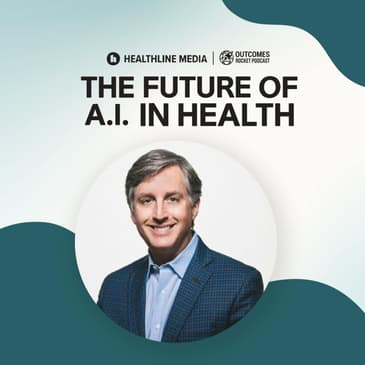
Join us for the inaugural episode of "The Future of AI in Health" podcast, where we unveil the transformative potential of Artificial Intelligence (AI) in healthcare. Led by Dr. Jenny Yu, Chief Health Officer at Healthline Media, and Saul Marquez, healthcare entrepreneur and founder of Outcomes Rocket, this series aims to demystify AI's impact on healthcare.
In this episode, Bruce Brandes, the President of care.ai, explores the topic of ambient intelligence and its potential to transform healthcare delivery in hospitals. He shares insights into the current challenges in healthcare and how ambient intelligence can make a significant impact in addressing workforce shortages, improving operational efficiency, and enhancing patient outcomes. Bruce also explores specific use cases and success stories of implementing this technology, as well as addressing concerns around AI and privacy in healthcare.
Tune in to this thought-provoking discussion on the future of AI in healthcare with a focus on how it can revolutionize care delivery.
Resources:
- Check more episodes of this Thought Leadership Series here.
- Watch the entire interview here.
- Connect with and follow Bruce Brandes on LinkedIn.
- Learn more about care.ai on LinkedIn and their website.
- Listen to Bruce’s previous episode on the Outcomes Rocket here.
- Connect with and follow Jenny Yu on LinkedIn.
- Learn more about Healthline Media on LinkedIn and their website.
[00:00:00] Hello everyone and welcome to the forefront of healthcare innovation in an era where artificial intelligence reigns supreme I welcome you to join us on a journey to uncover its impact in healthcare. This is the future of AI and Health Podcast series that we're doing in collaboration with Healthline Media and Outcomes Rocket. I'm your host, Saul Marquez and I'll be doing this series together with the outstanding Dr. Jenny Yu
[00:00:30] Chief Health Officer at Healthline Media. Hey, Saul it's good to be back together. It's such a pleasure to have you back here and today we are hosting an incredible guest. He is no stranger to the podcast and somebody that if you do not know about you need to know his name is Bruce Brandis. He is the president at Care AI. He's got over 30 years of experience in in entrepreneurship management and thought leadership and healthcare.
[00:00:59] Serving with companies like Teladoc and Lavango as well as leadership roles at Abia and Airship and many more he's at the forefront of technology and couldn't think of anybody else.
[00:01:11] More appropriate for this series than Bruce so excited to welcome you to the podcast Bruce thanks for joining us today all thank you so much for having me always a pleasure and Jenny good to see you.
[00:01:21] Love it Bruce well look let's get this thing started AI ambient intelligence transforming healthcare delivery and hospitals can you help us better understand ambient intelligence.
[00:01:32] Sure so let's maybe take a step back and talk about what are the problems that we need to solve for in health care with the technology and then I'll explain it.
[00:01:41] I think that there are really two common existential threats that every health system faces and it's not that they don't have a laundry list of problems but specifically one what we ask of our bedside caregivers has really become humanly impossible.
[00:01:56] And unfortunately too much of the technology that we've brought to bear is actually made their lives harder not easier and unfortunately that has led to many caregivers leaving the workforce and if you just look at the dynamics of our population growth.
[00:02:09] We don't have enough nurses we don't have enough specialists in many areas and we're not going to for the foreseeable future and then secondly even if we had all the labor we needed for hospitals.
[00:02:21] The underlying cost of our current acute and post acute care models is really visibly unsustainable and so what we believe is you can't really just think around the edges to solve for those problems you really need to take a step back and say in health care how other industries done this and that's really where ambient intelligence.
[00:02:38] Because if you look at how many other industries almost every other industry has transformed themselves it's this technology that is at the root of it.
[00:02:49] You can look at things like if you've ever been in Amazon ghost or in retail so when you walk in you grab an item and you leave because there are advanced sensors and AI that understand who you are what item you've taken and how you are paying for it and then subsequently had a decrement the inventory and get replenished similarly.
[00:03:07] If you think about how a FedEx distribution center works boxes are or was in by and the efficiency with which different packages get to their destination is a reflection of the sensors and AI that understand how that operation works.
[00:03:22] In health care we actually take our most valuable resources and do the equivalent of make them data entry clerks and so the concept of bringing ambient intelligence to healthcare to improve the productivity efficiency of our caregivers really is front and center and then from a quality and safety standpoint the other example I like to use on where ambient intelligence really plays a big role is if you think about how increasingly autonomous driving cars work and I'm not just talking about the ones that have no human being driving I'm really more talking about the human.
[00:03:52] The human being who is driving the car who is now surrounded with a neural network of sensors and AI that is constantly aware of its situation the road conditions the weather the traffic around me to dynamically help make me break prevent me from drifting out of my lane at the end of the day it's really about re imagining what is transportation and we are in the process of bringing that same technology that helps keep us safer on the roads and helping us more productive in every.
[00:04:21] In every other industry and creating a much better more simple consumer experience taking all of that technology and looking at how we do things and have for decades in how we deliver care and hospitals and nursing homes and re imagining what's possible because of this neural network of advanced sensors and AI to allow us to look at clinical and operational workflows in a new way and really get it the root of solving problems that frankly for a very long time haven't been able to be addressed sufficient.
[00:04:51] Thank you Bruce. Yeah, and you do such a beautiful job of connecting the dots and using these examples it's the technologies here already and we're just you guys are bringing it into healthcare so I love that and doctor you here with us I saw you shaking your head right when you said yeah making us clerks maybe you want to share a little bit about your story.
[00:05:11] Yeah, I think when you practice medicine you certainly see the challenges of shortage of work forces and then the people who then are stretched in terms of their hours in terms of their work.
[00:05:23] Then have probably a higher tendency to make human errors right and then when you have that whether it's a nurse even just a sitter in a patient room situation whether in patient or outpatient some of the quality can come down and and you trying to solve it with from that operations standpoint with the same way.
[00:05:41] I think it's more people but that's never going to work well we've seen that and so love Bruce that you guys are thinking about it from a technology standpoint that right already exists but how do we bring it to healthcare so that it can be successful so that it can be part of the delivery care that is currently but imagining it for the future on that note can you highlight just some of the specific success stories or use cases in which you're already seeing how this is impacting overall patient outcomes.
[00:06:09] So at the highest level what we're really trying to do is to build smart hospitals and create smart care teams similar to how you have a smart home and so to bring that technology if you think about in a hospital the only information that we really have is information that a human being sees or hears and then takes the time to actually type into an electronic medical record.
[00:06:29] And much of that is actually retrospective and so the real concept is how do we use sensors to capture a lot more data to understand to be ambiently aware at all times of what's going on looking and listening in a way that's appropriate to capture lots of data that just frankly doesn't exist today.
[00:06:46] And then to layer in AI to interpret that data and then apply it in an appropriate way consistent with workflow to help aid the human beings delivering care so with this big aspirational goal of creating smart hospitals there are very specific use cases that people are starting with where there's an immediate ROI and given the immediate challenges or logical places to start on this broader journey and I'd specifically highlight virtual nursing and it's really a misnomer to call it virtual nursing because it's really virtual in patient care.
[00:07:15] But it's this concept of recognizing that we don't have enough nurses that we need to change the complexion of the care team that we might have an intensivist or a specialist in one hospital that needs to consult on a case in a hospital 100 miles away a thousand miles away so how do we deploy technology putting a sensor in the room and I intentionally use the word sensor and not a camera although it does have camera capabilities what we're learning is with virtual nursing there are two approaches to it.
[00:07:41] One is to put a camera in the room that you get from best by or put an iPad on a stick and and use zoom and teams and say okay we're doing virtual nursing and we can do that to help improve admissions and discharges and other processes with some caregiver who's remote.
[00:07:57] But then what ends up happening is virtual nursing becomes just another point solution amid way too many points solutions and quickly people realize that's really more like back to the car analogy it's like having a backup camera in a car it's a nice incremental improvement but it's not transforming anything.
[00:08:11] And so the second approach is thinking about virtual nursing as the tip of the spear for something much much more transformational where that camera in the room is actually a smart sensor that is that has ambient monitoring capabilities to be capturing a lot of the additional data beyond just a video visit and then wrapping that with AI and what we're seeing now is the early returns of people who are approaching virtual nursing in that way incredible reductions in a staff turns.
[00:08:41] So improving recruitment and retention incredible improvements in patient safety because of lots of safety catches that are able to be made significant improvement in throughput many hospitals have capacity constraints so a great way to make sure that we're discharging people on time and being able to free up that bed for the next patient.
[00:09:02] As well as patient satisfaction and staff satisfaction or going off the charts with with this technology so those are the KPIs and metrics and there's a lot more to unpack beneath that we probably won't have time to get into today but really very encouraging and transformational stories about the immediate ROI.
[00:09:21] And then once that sensor is there for that virtual nursing use case to then to start layering and other use cases around false prevention and pressure injury prevention and clinical documentation done verbally staffed arrests and staff safety there are a lot of other areas that same sensor starts to be able to affect where your ROI and the way in which you deliver care is totally transformed.
[00:09:44] Yeah, I love that I can imagine sort of the ones you have all of that data in terms of different categories of data that you collect.
[00:09:51] You can realize what are the specific patterns in which you can drive the ROI.
[00:09:55] Yeah Bruce question on how it all works together right the health system has a lot of devices interoperability is a theme that we will not be able to get things done without addressing so how does the system work with other devices inside of the hospital and things like the EMR.
[00:10:13] Yeah, that's an important question and I think when we talk about interoperability what we're really talking about is how do you simplify my workflow.
[00:10:20] And in order to do that you really need to take a look at what's working one of the capabilities and investments that you've made that are foundational like the EMR like the televisions that you have like your patient entertainment system like the beds that you use the telemetry devices the existing nurse call system to make sure that all of those other capabilities come together because there's a lot more to do with the
[00:10:42] other because there's no reason to rip and replace something that's working.
[00:10:46] And especially as you start to think about what are the components that you need to do to make the life easier of the bedside nurse too much of it as I mentioned earlier too much of the technology brought to bear made their lives harder not easier and all of these individual point solutions
[00:11:00] that we've given them collectively are further fragmenting and already very fragmented caregiver and patient experience so when we talk about interoperability it's really about how do we take a platform approach to what we're doing and not just perpetuate more point solutions virtual nursing virtual sitting falls prevention hand hygiene compliance as additional point solutions clinical documentation there are a lot of voice activated clinical documentation systems now but how do you think about how they all come together so for us it's really about looking at the capabilities that we need to bring up the
[00:11:30] brain that will work within that existing ecosystem all those different components that that we've described but at the same time recognize the pieces that won't work because we've had a lot of clients that have come to us that had a camera in the room and wanted to do these things and what they've realized is if the device itself is not part of an integrated platform where the software the AI the ambient capabilities are not all included into one common platform and on top of that purpose built for healthcare
[00:11:57] It's really going to end up becoming a dead end that doesn't affect the outcomes and doesn't provide the ability to scale you know it's one thing to stand up a pilot it's another thing to actually think about how do you do this across thousands to tens of thousands of different patient rooms and locations
[00:12:12] and then thinking beyond just the four walls of the hospital even beyond that so it's really important when we talk about interoperability to make sure that we understand what workflows what investments work today that we need to plug into and then if we're if our ultimate goal is about simplifying workflow how do we think about the other components that actually need to be added or replaced
[00:12:33] to work within that ecosystem that creates a very simple safe and effective new workflow that ultimately drives better out.
[00:12:42] Thanks Bruce yeah and you called it right the way clinicians are still burnout I was doing an interview last week
[00:12:49] and they're telling me it's worse than even after COVID so it's not getting any better these types of solutions are a must and I love that you and the team are so focused on the clinician and their workflow so thanks so much for that.
[00:13:04] Yeah and Bruce you talked about all of the different point solutions right so imagining when I practice medicine there were all these technology innovations that came in and then it's like a matter of figuring out hey how this is actually impact my workflow
[00:13:18] and you know in the simplification is super important and that's how you get I think the various different folks on the care team within the system to actually want to adopt it and that change management is really important is from vast perspective do you think that health systems are ready for the technology whether it's from the care team perspective right the nurses the physicians everybody that's involved but is it are people ready for it on the patient side to patients feel as well that when you have these systems in place
[00:13:47] and you may see the nurse who's checking upon you a little bit differently because of these sensors technology in place do you think people are ready to be taking on and adopting to this technology yeah I think there are two ways to think about that one is we have this technology
[00:14:02] pervading every other area of our lives beyond health care making my life easier shoot I have Netflix leveraging AI to know what I want to watch better than I know what I want to watch so we see this in every other area of our lives so it actually stands out when I don't have a similar experience in healthcare
[00:14:20] it's at most importance that we apply this in the appropriate way in healthcare and so a lot of that is about making sure that the healthcare system staff understands how it works so they can reassure patients and that they're not being watched like big brother but all these things are appropriate that their identity is protected so that we're using the right way the right technologies to view and monitor what's going on in a way that isn't invading their privacy
[00:14:46] that's baked into how we've designed and built what we do but those are common concerns and questions and we all have many people have whether it's Siri or their Alexa device and I want to say it because then she start listening to me we're used to having these devices but in healthcare we need to make sure that we're putting the appropriate guardrails around helping people understand how we're protecting their privacy but more importantly why we're doing this because it's really about extending and improving the care delivery and the safety and the outcomes
[00:15:15] and the experience and what we're finding is once people stand up this technology both for the nurses for the other affiliated caregivers and most importantly for the patient and their families they would be very upset if you didn't offer this it becomes an expected standard because now I have a caregiver who is available when I need them virtually that they're ambiently aware of everything that's going on so that they're proactively coming into my room to say hey we've noticed that your respiratory rate is declining over time I was prompting
[00:15:45] I want to just drop in and make sure that you're feeling okay and so those types of extra measures to ensure their safety and quality and frankly when you're ready to go home to make sure that you understand what medications you're supposed to take and all the other things that are to come next and not just you
[00:16:00] understanding but bringing in my friends and family who are going to be caring for me when I go home let them be part of that conversation in the moment to understand what's happening make sure that if I don't speak English that I have an interpreter who's part of that conversation
[00:16:13] so I clearly understand so when I go home I'm on my path to health and wellness I'm not likely to have missed something or forgotten something and so all of this creates a much better consumer experience that leads to them embracing this technology
[00:16:26] and I think in the very near future expecting it.
[00:16:29] Yeah and I think having the clinician buy-in and having the collaboration of the clinician and making sure like you said the care team
[00:16:36] and the staff are the ones delivering sort of the importance of these technology as being the standard of care to the patients I think we're just at that sort of pivot moment or inflection moment in which then this just becomes part of the standard care and I love that.
[00:16:51] Yeah that's a great point there and it will stick out if it's not in place right I just I think that's so spot on and and promising right to be able to look ahead and say wow we actually have this available
[00:17:05] wide spread.
[00:17:07] Briss you've been through you've had visibility to a lot of different companies and at the leadership level all forward thinking companies data privacy you mentioned that some but can you comment around AI
[00:17:21] and privacy and how companies can safeguard against that and what you guys are doing in particular to make sure that information safe.
[00:17:28] Yeah I think first of all the concerns about AI that people have are valid but they're also overblown it's really just the unknown and this is true not only in healthcare but it's true in every industry and in our personal lives what what is AI really going to mean
[00:17:44] and I think that there are a couple ways of looking at that one is we need to think about how we're using AI is this something that is just eight is a tool to aid the caregiver in better decision making so where you have human in the loop where this is just another tool that I'm getting better information in the moment
[00:18:02] to be able to make the right decision but ultimately the human is making the decision and that's the vast majority of these clinical workflows how this works and it's really important by the way that the large language models and the other data that is informing that has transparency and visibility have heard some of my mentors in the industry describe we need transparency on what's going into informing this data I have more information about what's in my can of soup that I'm about to eat then what's in this AI model that is advising that I do that I do
[00:18:31] this intervention so it's really important that we get better at ensuring the quality and transparency as to how these things are making recommendations when we do have human in the loop.
[00:18:42] And then the other thing is there are a lot of tasks that AI can take over where you don't have to have the human in the loop so you can free up the human beings to really focus their time and energy on the things that only human beings can do and I use examples in the nursing setting we spend so much time just on regulatory compliance for example for leapfrog hand hygiene compliance reporting.
[00:19:01] That's something that ambient sensors should be able to capture that someone washed their hands that we had enough instances that we can comply with that regulatory requirement and that report be automatically created and sent off so no human being has to spend as much time as we are today doing those reports so that's one way of looking at the other is in health care health care is different and I mentioned earlier about purpose building these solutions for health care and making sure that you're intentionally pursuing sock to certification high trust certification to make sure
[00:19:31] that all the right internal processes are in place for how you do business how you build your solutions. You don't get that by buying a camera at Best Buy or or thinking that Alexa is going to be able to address these issues so there are some heightened measures that need to be taken in health care that I think the responsible companies that will be around in these problems are going to embrace as kind of table stakes to ensure that quality and prime and safety and quality and privacy are protected throughout.
[00:20:00] Thank you so much for that and just a great way to think about this thing that a lot of people are thinking about so appreciate that and we're here at the end time flies when you're having fun I've really enjoyed this conversation with you and Jenny any closing thoughts Bruce that you want the listeners to to leave with.
[00:20:19] Yeah as I think about people and the hot topic that is AI specifically AI in health care. I think we need to be reminded that there's so much noise today every legacy vendor that did this or that is now saying we're an AI company and we're using AI to do this and that it's so confusing and and a lot of it frankly is probably not accurate and so it's a wild west and I think that with all this ridiculous claim
[00:20:49] that are being made about AI today that may or may not be accurate I think we're within a very short window where specifically saying hey we use AI in how we deliver care how we bring our product to market or whatever it is.
[00:21:03] It's going to sound just as ridiculous if I were to let's just say it's in 12 months if I were to say oh we use AI for this and that it would sound just as foreign and ridiculous it would be if I today were to come to you and say hey guess what you know what we use in our business we use computers and we use the internet.
[00:21:18] Of course you do the question is what are you doing with what problem are you solving and how are you solving it what outcomes are you getting its table stakes to say that we're using AI it the question is what are you doing with it are you doing it in a responsible way or are you jumping on the bandwagon and just saying hey I see these other companies having success because they're using AI in this way so I'm going to say the same thing.
[00:21:41] So I think the market has to get smarter about looking behind the claims and really understand have a vision for what is a smart hospital what is a smart care team and what's the path that we need to get from where we are to where we want to get to and make sure that you can filter out the noises effectively as possible to get to the future that we all deserve for healthcare.
[00:22:01] Yeah, Bruce I was thinking the same thing when you were talking about AI in terms of the internet computer and I can't wait for that story just to get more nuanced and that actually ties a very specific things but that's where we are at the inflection point right so.
[00:22:14] Absolutely totally agree guys well what an incredible discussion Bruce thank you really appreciate you jumping on the podcast today to share what you're up to my pleasure awesome to be you guys thank you so.
[00:22:26] It's a big pleasure and just folks if you want to learn more about what Bruce and the carry I team are up to check out the show notes will have a summary of today's discussion and waste to get in touch with him and his team to learn more thank you all for tuning in thanks all thanks Jenny.
[00:22:43] Thanks for listening to our series future of AI and health our collaboration with Health Line Media as we conclude this episode we invite you to stay tuned for more insightful discussions on the news.
[00:22:55] The next discussion is on the series that we're doing together the future is now and with knowledge comes empowerment so I want to thank you for joining us and looking forward to having you with us on the next time as we explore the impact of AI in healthcare today and in the future.