
Transparency in data handling builds trust, which is essential for healthcare decision-making.
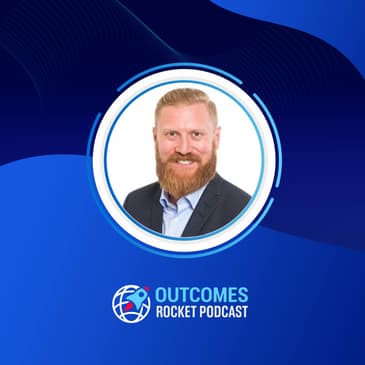
In this fascinating episode, Kevin Field, President of Clearsense, discusses the importance of data maturity and how Clearsense helps organizations organize and utilize their data effectively. He highlights the significance of trust in healthcare data and explains how Clearsense ensures data security and compliance through HITRUST certification and SOC2 compliance. Throughout the interview, Kevin emphasizes the practical steps organizations can take to become data-driven, such as starting small and prioritizing data governance. He also addresses common challenges faced by organizations in leveraging their data and stresses the value of data in driving cost reductions, efficiency improvements, and better insights in healthcare.
Tune in and learn how to harness the power of data to transform healthcare!
Resources:
[00:00:00] . Hey everybody, welcome back to the Outcomes Rocket here at HMS 2024. I have the privilege
[00:00:08] of having Kevin Fields, president of ClearSense with us on the podcast Kevin, welcome.
[00:00:14] Hey thanks for having me Saul, I really appreciate it. It's a pleasure. Listen, it was a lot
[00:00:18] of fun being with you and the team yesterday. Absolutely. Got to learn a lot about the business
[00:00:23] and really it was the reason this interview was inspired. That's right. So thank you for
[00:00:27] doing this today. Really appreciate it. Yeah, we really appreciate the time and opportunity
[00:00:31] to share a little bit of our story with you. Absolutely. To kick it off for the audience,
[00:00:36] give us a little bit more on ClearSense and a little bit more on you. Absolutely. Well,
[00:00:41] my name is Kevin Field on the president ClearSense. I've been working with ClearSense since
[00:00:44] almost our inception in 2017. Prior to this, I spent almost a decade working at Epic as
[00:00:51] an implementation executive. I was there for all the fun of digitization and healthcare
[00:00:55] when we really go into all the transformations of bringing live all of these hospital systems
[00:01:00] on their enterprise Epic platforms and doing those deployments and supporting meaningful
[00:01:04] use. I spent my last three years there actually doing the deployment over in Denmark and
[00:01:08] bringing live the groups over there to the five regions and getting that to a point of
[00:01:14] stabilization. And at that point, I decided I was going to shift my attention to what
[00:01:19] I thought was going to be next in healthcare. And for me, that's really been about the
[00:01:23] data. And really what ClearSense has focused on is being a healthcare-specific data platform
[00:01:29] to really help these organizations who made all of these investments in healthcare technologies,
[00:01:34] able to get value from all that data. So that ranges from everything from all these
[00:01:38] historical data systems to their active enterprise applications and everything in between.
[00:01:43] And we work with them to try to really make sure that data can be an asset they can
[00:01:46] leverage for today and for Toronto. That's fascinating, Kevin. Thank you for the history.
[00:01:52] You were there at the beginning. You saw it all happening and you saw this gap. Does
[00:01:57] that gap still exist today? As everybody's been expanding, I think we've
[00:02:00] been really fortunate that technology has been adopted in these healthcare provider systems
[00:02:05] and they really are trying to be innovative. And really what are the value proposition
[00:02:10] really where we are focusing even at the inception of the company was how can we make that data
[00:02:15] from all these desperate systems be organized in a way that is really obtainable and usable
[00:02:20] and then ultimately be able to feed that into whatever solutions that they need to solve
[00:02:25] their issues. So when we were starting this and working with groups, the inception really
[00:02:30] came around helping them to take some of their enterprise applications that they had maybe
[00:02:34] no longer needed to have for production purposes and really needed to maintain the data and
[00:02:39] help them to archive that. So being able to take and realize and recognize the value
[00:02:44] of that data will still be able to be able to preserve the information for later use was
[00:02:49] really our focus. And ultimately when we were working with these large healthcare organizations
[00:02:54] as part of their business case, when they adopted an epic or a cernor whatever those enterprise
[00:02:59] solutions were was ultimately to help reduce the redundancy and reduce the costs of maintenance
[00:03:03] for all those different systems that they had in place. However, without a platform like
[00:03:08] ours coming in, they were never ever recognize that values. We helped groups get that data
[00:03:12] offloaded, gave them a really good cost reduction, really good ROI while also helping to pay
[00:03:17] the pathway for the future of data maturity with them. And that's really how we progress
[00:03:21] with groups today on making sure that data is usable available and something that can actually
[00:03:26] then be incorporated with their active data to really solve the problems that they have.
[00:03:30] So today, when we look around at a conference like this, there's a lot of cool technology,
[00:03:35] there's a lot of AI, a lot of analytics and points. And ultimately all those are going
[00:03:40] to be dependent on having good trusted quality data. And that's really where we fit in.
[00:03:44] I love that. And you mentioned something data maturity and here we're at hymns.
[00:03:48] That's right. And there's a lot of discussions in frame, the maturity model around infrastructure
[00:03:53] and data adoption, but talk to us about data maturity. Are there any models you guys are looking
[00:03:58] at? Give us frameworks that you use to judge. So there are models out there that actually
[00:04:03] measure data maturity and how organized organizations are for using their data that did really become
[00:04:08] data-driven. We actually take it in two different capacities. So one, we think that every organization
[00:04:15] is at a different point and they have a different requirement when it comes to data. So we
[00:04:20] hit this from both a technology side with our platform and helping them get organized
[00:04:24] and provide transparency and quality around the data that they use. But we also did a
[00:04:29] permanent operational site as well. So we have data governance is really an art and it has
[00:04:34] to be a cultural change from these verbs. So we really help organizations build a governance
[00:04:40] culture that they can all adapt to. If you happen to be the expert around provider credential
[00:04:45] information, then you should be the one helping us define what that means for the organization
[00:04:49] and what data components are important to it. What data sources are important to it. And if I have
[00:04:53] a question about that, I should come to you. So we really filled out this initiative overall where
[00:04:58] we make champions, we make data stewards, and we really let the organization as a whole start
[00:05:03] to speak the same language around data and understand how valuable the asset it is and how to work
[00:05:08] together using data. So that advisory work really can lead in then to the successful adoption of
[00:05:13] using data with our platform and other tools that's overall to make sure that data doesn't be
[00:05:18] coming after thought but something that really is an asset they can take advantage of.
[00:05:22] Love that. Thank you so much for that. A lot of people come to hints for different reasons.
[00:05:27] Why did you come? And what's one insight that's risen to the top for you in the last few days?
[00:05:32] We come here of course to connect with people and hear great ideas. It's inspiring, right?
[00:05:36] You come here and you see people they're doing all sorts of really neat innovative things and leveraging
[00:05:41] technologies from outside healthcare, bringing them in and using them ways that I'm very happy to see
[00:05:46] because it's going to ultimately improve the way that we all work together in our communities
[00:05:49] and serve the people that are around us. The thing that's really stood out for me is that at the end
[00:05:55] of the day, all of these discontinuatory, all this AI, all these really cool forward thinking things
[00:06:00] are really going to be reliant on trust. And I think that trust is ultimately what we need to
[00:06:05] be striving for in healthcare when we're using data to make decisions here. It's not, we can't just
[00:06:10] say trust me it works right? You can't have any sort of black box. We kind of it's a little kitschy
[00:06:14] but we say we have a clear box approach, right? So we focus on making sure that people can see how
[00:06:20] decisions were made where the data is coming from, how business rules and logic were actually applied
[00:06:26] to it and ultimately we ought to get to a point where the quality is there. And if the quality is
[00:06:29] there then the trust can be there. So when I walk around here, I see a lot of technologies and
[00:06:35] companies that really can be beneficial to work with and collaborate with that help build trust
[00:06:39] into their tool sets so they can go solve really cool problems. So being behind the scenes in
[00:06:43] kind of the empowerment is something that I think is really inspiring for many. I love that. Thank
[00:06:48] you for sharing that. And really I want to better understand the other side, right? So there's
[00:06:53] organizations leveraging your platform to better store and move data. That's right. But what are
[00:07:00] common problems that you see in organizations that haven't yet taken advantage of what you guys
[00:07:05] offer? That's a really good question. So I think oftentimes what ends up happening is that people
[00:07:10] don't have access to their data that they, in the way that they think they should. So if you
[00:07:14] are looking to do some sort of analytics use case or you're trying to be able to get data to
[00:07:19] researchers or you're trying to really do a little bit more investigation of how you could use
[00:07:23] data to solve problems. What typically happens today for organizations that say put in a request
[00:07:29] they might get a data extract that data extract comes out. It goes into the hands of somebody
[00:07:33] that's going to have to manipulate and curate it to get it prepared gets handed off to the next person
[00:07:38] then are starting to work and build the analytics out. And by the time they're actually consuming it,
[00:07:42] the data might be old. It might be really not important anymore from them. And also when they go
[00:07:47] back the next time they try to drive that same information, they'll remember exactly how they
[00:07:51] went through those processes. So there ends up really being this this con the line if you will
[00:07:55] of data requests, data curation, data quality and a thing of the day that doesn't build a lot of
[00:08:00] trust. So I think what we're starting to see now is organizations realizing that you can't manage
[00:08:06] a hospital on quarterly reports or quarterly information yet to be able to get those things
[00:08:11] consistently put together much more quickly quickly enough that it can actually be operationalized
[00:08:16] and it actually drives some change. So I think we're seeing this shift now from organizations saying
[00:08:21] that we really want to be data driven to saying okay, we say that what does that mean? How do we start
[00:08:26] to do data management at scale? And how can we really build a culture on data or organization?
[00:08:31] Love that people are watching and listening to us today and maybe they're wondering how can I get
[00:08:36] started? Where's a good place to start? This is too big to tackle. What advice would you give them
[00:08:42] on that? So the great thing is whenever you're tackling data and you're actually working on building
[00:08:47] this culture and applying the technology, you can start wherever you are today. Right? This doesn't
[00:08:51] have to be a massive overhaul of an enterprise and all get everything moving at once. You can really
[00:08:57] start both by single solutions that really drive a lot of value or single regions that are most
[00:09:03] important and at the priority. So we see a lot of organizations actually start with the low hanging
[00:09:09] fruit being able to rationalize their applications and archive data. And ultimately that archival helps
[00:09:16] them with those cost reductions quickly. They can see the value, they can understand it and we can
[00:09:20] really start shipping away there and start to build the confidence as we continue to move forward.
[00:09:25] If we're actually doing something more like data management and doing with active data,
[00:09:29] we can start with a single componentry. Maybe you're really focused on how do we make our provider
[00:09:34] data more accurate or trustworthy? We can go there and start to work with that and the source systems
[00:09:38] around provider information so that we can really try to build the confidence and trust there. So
[00:09:43] it is a journey when you start to work on building data governance as a culture and adopting
[00:09:48] these types of things, it really is something that grows with you. So these are not just a start
[00:09:53] and stop. It really becomes part of like how groups operate day-to-day and it's truly a shift in
[00:09:59] the way that they can manage their culture and actually use data for good. Some really practical
[00:10:04] advice, Kevin. Thank you so much for that. Another theme and this is the last one we'll touch on.
[00:10:09] When you talk about data and you're talking about healthcare, you're obviously thinking about
[00:10:13] security, safety. Talk to us about how the platform gives that to the users. Yeah, so anytime
[00:10:21] you're dealing with data in healthcare especially, security has to be at the forefront. We
[00:10:25] tackle that in a couple of different ways. One, just by the work that we do, so we're actually
[00:10:29] helping to retire some of these legacy applications and shut those off. We preserve the data, of course,
[00:10:36] but we allow them to actually turn off the licensing and the support they have for this historical
[00:10:39] application as early as strong as your weakest link when it comes to security. So if those systems
[00:10:45] and are connected to your servers and to your network, those become vulnerability points. So we
[00:10:49] really try to help reduce that footprint on their end by pulling all that data together into our
[00:10:54] secure environment and be able to shut this systems off. And we, of course, within our platform,
[00:11:00] we are high trust certified, it's not too tight to you. We always are saying current when it comes
[00:11:05] to the security footprint. And we can also deploy within that clients public cloud environments as well
[00:11:11] as working together with that. So if you're in AWS, we can work together with you in AWS or we have
[00:11:17] a own private part as well. So security is always there at the top and it's something that we take
[00:11:21] very seriously. Well, that's fantastic and reassuring to hear, Kevin. So look, I want to thank you
[00:11:28] today. If you're going to leave our listeners and viewers with a call to action, what would you
[00:11:34] leave them with? And what's the best place they can get in touch with you? I would say call to
[00:11:38] action if you're thinking about how do we become data driven start now. You can start small. You
[00:11:43] don't have to worry about it being overly daunting or anything else. The small steps that you take
[00:11:47] there are actually going to help you get further and further along. And ultimately, as you start to
[00:11:51] really think about data as something that can transform your organizations, don't underestimate it.
[00:11:56] It's absolutely something that is going to be extremely valuable. It's allowing people to cut costs,
[00:12:01] drive efficiencies, have better insights into their organization. And ultimately, I think it's
[00:12:06] going to be what helps healthcare launch ahead overall. And if you want to get in contact with me,
[00:12:10] you can reach out at Kevin at ClearSense.com. Amazing, Kevin. Thank you so much.
[00:12:16] listeners, viewers want to thank you guys for tuning into this podcast today in the show notes.
[00:12:21] You'll find the ways to get in touch with Kevin. They're full of resources for you to continue
[00:12:27] learning. So we'll leave links for you to check out the ClearSense website. Thank you guys for
[00:12:32] tuning in. Take action on what you heard today and Kevin, thanks for being with us. Thanks again.
[00:12:36] I really appreciate it.