
Early intervention in oral health can lead to significant cost savings, particularly in managing chronic conditions like diabetes.
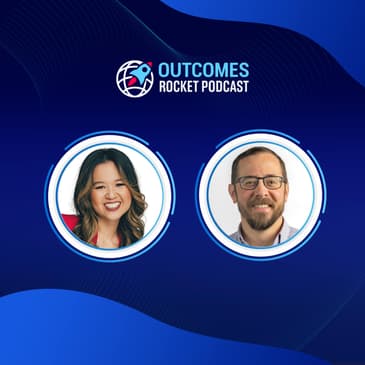
In this episode, two innovative leaders revolutionizing the oral healthcare industry, Dr. Tina Saw, CEO of Oral Genome, and Brian Jones, the Chief Growth Officer of Avēsis, highlight their partnership, which aims to deliver better healthcare outcomes for vulnerable populations, including Medicaid recipients. Together, they are transforming oral health by identifying early signs of serious health issues like diabetes through innovative, accessible technology. Their collaboration focuses on scaling these solutions within the existing healthcare structures, ensuring early intervention and cost-effective care. Dr. Saw and Brian also touch on the hurdles they faced, the integration of new technology, and their commitment to pushing boundaries in healthcare.
Tune in and learn how bold thinking and strategic partnerships are making a real difference in oral and overall health!
Resources:
- Watch the entire interview here:
- Connect and follow Dr. Tina Saw on LinkedIn.
- Learn more about Oral Genome on their LinkedIn and website.
- Discover more about Harmony Health on their LinkedIn and website.
- Connect and follow Brian Jones on LinkedIn.
- Visit the Avēsis LinkedIn and explore their website.
[00:00:02] [SPEAKER_01]: Hey everyone and welcome back to the Outcomes Rocket. So excited to have you all join us again today.
[00:00:09] [SPEAKER_01]: I have two amazing guests that are transforming the business of oral health care and dentistry. First
[00:00:15] [SPEAKER_01]: I want to introduce you to Dr. Tina Saw. She is the CEO of Oral Genome and a board member of
[00:00:22] [SPEAKER_01]: Harmony Health as a dentist and mom to a child on the autism spectrum. She knows firsthand the
[00:00:28] [SPEAKER_01]: struggles IDD patients face, which is why she invented the first ever chair side salivary test.
[00:00:35] [SPEAKER_01]: I'm excited to be joined also by Brian Jones. He's the Chief Growth Officer of Avēsis, a dental and
[00:00:43] [SPEAKER_01]: vision specialty benefits provider. Brian leads initiatives that enhance healthcare access and
[00:00:49] [SPEAKER_01]: outcomes for Medicaid, Medicare and other populations with special healthcare needs.
[00:00:54] [SPEAKER_01]: I'm so excited to have both of them here on the podcast and such a privilege to have you both.
[00:01:01] [SPEAKER_01]: Thank you. Thank you. Yeah, absolutely. Guys, by the way, we talked about this beforehand.
[00:01:07] [SPEAKER_01]: We believe that oral health is tied to overall health. So we'll definitely have to chat with
[00:01:12] [SPEAKER_01]: our friends at Think Oral Health to have you all make a stop there. But before I do, talk to
[00:01:18] [SPEAKER_01]: me about what got you into the business of healthcare and in particular oral health. Yeah,
[00:01:23] [SPEAKER_02]: I'll start first. So oral health has always been, it's interesting because actually it wasn't really
[00:01:30] [SPEAKER_02]: top of mind for me growing up. My family was like incredibly poor. And I'm telling you,
[00:01:36] [SPEAKER_02]: like I got my older cousin boys like hand me downs on everything. We only went to the dentist
[00:01:42] [SPEAKER_02]: when there was like severe pain. And I remember like just having this massive toothache where I
[00:01:48] [SPEAKER_02]: ended up having to go to the emergency room and it really actually like blew up as an abscess.
[00:01:55] [SPEAKER_02]: And you know, I ended up getting it treated, but I fell into oral health because one, that was
[00:02:01] [SPEAKER_02]: something that opened the door was like, okay, maybe there's something going on. I was
[00:02:06] [SPEAKER_02]: actually a music major in college too. And so it was very interesting because I started,
[00:02:11] [SPEAKER_02]: oral health just kind of started falling into my lap. I ran into a professor in
[00:02:16] [SPEAKER_02]: dental health and she started like wanting somebody to help her out with some oral systemic
[00:02:22] [SPEAKER_02]: research. I was also working in a dental office just for extra cash. And it really was not like
[00:02:28] [SPEAKER_02]: something where I feel like oral health just came to me. And so here I'm at today,
[00:02:34] [SPEAKER_02]: starting out just, you know, working a regular job as a dental assistant in college,
[00:02:38] [SPEAKER_02]: just to make a little extra money, then going to dental school. And then here I am
[00:02:43] [SPEAKER_02]: with this like salary testing company. So I feel like I would say oral health came to me.
[00:02:50] [SPEAKER_01]: So great. What a great story, Deena. Thank you so much for sharing that.
[00:02:54] [SPEAKER_01]: You answered the call. You answered the call. I love it. And Brian, what about you?
[00:03:00] [SPEAKER_00]: I really found myself falling into oral health after spending about 15 years in the federal
[00:03:07] [SPEAKER_00]: IT and defense sector. I started my own business and pick up a couple of health clients
[00:03:11] [SPEAKER_00]: and kind of fell in love with everything that was in and around how health care is delivered.
[00:03:17] [SPEAKER_00]: But then I also fell out of love with how health care was being delivered as I got deeper into
[00:03:23] [SPEAKER_00]: kind of understanding how a lot of the interdependencies are just lacking and not
[00:03:29] [SPEAKER_00]: there overall. I dove deeper in after my father passed from a long battle with cancer
[00:03:35] [SPEAKER_00]: and having to take and, you know, walk through all of the steps of processes of,
[00:03:41] [SPEAKER_00]: you know, of the health care system and not only closing out everything that he was going
[00:03:45] [SPEAKER_00]: through, but also, you know, working my way through understanding what certain things on
[00:03:50] [SPEAKER_00]: bills were transparency, understanding why I had to pay this versus that, and really trying
[00:03:56] [SPEAKER_00]: to navigate a system. And somebody who I would think has commercial insurance, who
[00:04:01] [SPEAKER_00]: think I'm pretty smart on understanding how all of that is, but then realizing I do nothing at
[00:04:07] [SPEAKER_00]: the end of the day. And as I looked at the broader audiences of who receives health care and
[00:04:12] [SPEAKER_00]: the millions and millions of folks out there who aren't in a similar situation, who might not
[00:04:17] [SPEAKER_00]: understand any aspect of health literacy or any aspect of how health care is delivered
[00:04:23] [SPEAKER_00]: and how we navigate that and help them navigate that. Finding my way into oral health,
[00:04:28] [SPEAKER_00]: I started working in the space, found a company that really introduced me into that and then
[00:04:32] [SPEAKER_00]: joined a VCS about 18 months ago with a real refined focus on how are we delivering an
[00:04:39] [SPEAKER_00]: innovative approach to oral health care versus just the blocking and tackling approach. We
[00:04:43] [SPEAKER_00]: wanted to take it and come at it very, very differently. And then that's where Tina
[00:04:47] [SPEAKER_00]: and I and her team at oral genome came together and started putting together a pretty
[00:04:51] [SPEAKER_01]: interesting solution. That's awesome, Brian. Thank you so much for sharing that and Tina
[00:04:55] [SPEAKER_01]: as well. Thank you so much for sharing the path to how you got here. Very personal and at the end
[00:05:02] [SPEAKER_01]: of the day, solving big problems. So I'd love if you guys could tell me a little bit more about
[00:05:07] [SPEAKER_01]: the partnership. Tell me what it's all about, what you're focused on and how it's adding
[00:05:12] [SPEAKER_00]: value to the ecosystem. Sure. I mean, I'll start this time on, you know, as we were
[00:05:16] [SPEAKER_00]: digging into at Avices, as we were digging into the populations that represent the hardest
[00:05:22] [SPEAKER_00]: to serve. The 20%, the individuals with special healthcare needs to include kids and adults
[00:05:28] [SPEAKER_00]: with intellectual and developmental disabilities, pregnant moms, seniors, folks that make up maybe
[00:05:34] [SPEAKER_00]: 10 to 15% of say the Medicaid population, but really represent nearly 60% of the cost.
[00:05:41] [SPEAKER_00]: And how do we find ways to introduce better interventions, a new type of prevention
[00:05:46] [SPEAKER_00]: to really pinpoint what's going on in an individual's mouth, you know, focused on oral
[00:05:52] [SPEAKER_00]: healthcare. And how might the learnings that we get from that impact their overall health,
[00:05:58] [SPEAKER_00]: impact different comorbidities of health with chronic diseases like cardiovascular disease,
[00:06:03] [SPEAKER_00]: diabetes, COPD, things like that. Because, you know, as we are firm believers, you know,
[00:06:08] [SPEAKER_00]: the mouth is part of the body. That seems to be a cliche that everybody says, but then as
[00:06:12] [SPEAKER_00]: you say it, you tend to forget it. And we said, well, what's a different approach that we can take
[00:06:17] [SPEAKER_00]: to that? And at that time, Tino was starting to introduce this new tool that she has through
[00:06:23] [SPEAKER_00]: oral genome, which takes a really unique aspects of studying your saliva and really understanding
[00:06:29] [SPEAKER_00]: what's going on in the mouth. And then from a payer's perspective, how we integrate that
[00:06:34] [SPEAKER_00]: into a payment structure and incentive structures and others to get the appeal and get the mass
[00:06:39] [SPEAKER_00]: of folks using it. But then that's really where the technology takes over. And that's
[00:06:42] [SPEAKER_02]: where Tina's solution really comes in. For me, it was a lot of like we talk about
[00:06:47] [SPEAKER_02]: in medicine and dentistry, the oral systemic connections, it's all over the internet.
[00:06:52] [SPEAKER_02]: We say it's related to cardiovascular disease, diabetes, stroke, Alzheimer's, all that stuff.
[00:06:57] [SPEAKER_02]: We talk about it, but it's like there's not really much of a tool that actually
[00:07:02] [SPEAKER_02]: puts this all together. And so I was looking at all these other medical technologies,
[00:07:07] [SPEAKER_02]: and we came upon something where I was like, bingo, this is it. We can develop a point
[00:07:11] [SPEAKER_02]: and care test. And I pulled together a team that was looking at all these biomarkers that
[00:07:16] [SPEAKER_02]: was related not only to oral health, but also to different conditions in your body,
[00:07:22] [SPEAKER_02]: like cardiovascular disease, stroke, diabetes is a big one. So it took us a couple years to
[00:07:29] [SPEAKER_02]: really make this all happen to have a seven assay test where we put on a test card.
[00:07:34] [SPEAKER_02]: It's very incredibly easy to use. But one of the other challenges that we faced was,
[00:07:41] [SPEAKER_02]: no, in dentistry in general is having a point and care test where you're not mailing something
[00:07:45] [SPEAKER_02]: in and out. You're able to not even have to buy like a very expensive machine that sits
[00:07:50] [SPEAKER_02]: in your office. So what is it that we can use something everybody has, which is a smartphone,
[00:07:55] [SPEAKER_02]: take a photo of your slide and get that analysis right away and get a report about
[00:08:00] [SPEAKER_02]: your dental health and actually the specific oral systemic connections that are related to that.
[00:08:06] [SPEAKER_02]: So, you know, we're really excited to be able to be working with the VCS because we've already
[00:08:11] [SPEAKER_02]: started piloting some of these projects, and we're able to target some really strong
[00:08:16] [SPEAKER_02]: interventions and understand what's going on in the communities that we're working in.
[00:08:20] [SPEAKER_01]: That's really interesting. So on the one hand, Tina, you have the technology tool,
[00:08:26] [SPEAKER_01]: Brian, you and your company have sort of the reach and the model around access. And together,
[00:08:32] [SPEAKER_01]: you guys are really doing some phenomenal work. Talk to us about how you're making things better.
[00:08:39] [SPEAKER_01]: Do you have any early cases of how things are working out?
[00:08:42] [SPEAKER_00]: Yeah, this is probably the most exciting part of the process is, you know, you get through
[00:08:47] [SPEAKER_00]: the training of the tool, you figure out how to integrate it within the practice structure,
[00:08:52] [SPEAKER_00]: which is another component of the pilots that we're working on right now is how do we seamlessly
[00:08:57] [SPEAKER_00]: integrate this in while maintaining, you know, good consistent share time between the doctor
[00:09:01] [SPEAKER_00]: and the patient. But the results, the outcomes are really what are driving us from this
[00:09:07] [SPEAKER_00]: perspective. We received some early results from a pilot that we're conducting in West
[00:09:11] [SPEAKER_00]: Virginia right now, and specifically in a rural aspect of West Virginia. And we found through
[00:09:17] [SPEAKER_00]: really our first hundred cases, we're taking this, you know, one bite of an apple at a
[00:09:21] [SPEAKER_00]: first hundred cases. What are the impact that we can see on that? You know, we've been able to
[00:09:26] [SPEAKER_00]: identify about a hundred and eighteen thousand dollars in current and future savings when it
[00:09:32] [SPEAKER_00]: comes to the treatment of early caries identification, early identification and
[00:09:37] [SPEAKER_00]: treatment of periodontal disease, and also ongoing and long term treatment related to
[00:09:42] [SPEAKER_00]: diabetes within our first hundred cases, we have found seven identifiable cases of
[00:09:48] [SPEAKER_00]: diabetes or diabetes that have been undiagnosed. So a patient using these salivary tests,
[00:09:54] [SPEAKER_00]: their saliva glucose levels were high and we said, hey, you might be at risk for diabetes
[00:09:59] [SPEAKER_00]: or maybe pre-diabetic. And then through some medical dental integration, you know,
[00:10:04] [SPEAKER_00]: informing them, making sure that they're doing it actually be able to confirm through
[00:10:07] [SPEAKER_00]: their doctors, through an A1C test, you know, other blood testing that they were in fact,
[00:10:11] [SPEAKER_00]: either pre-diabetic or already diabetic and, you know, able to put in the interventions,
[00:10:18] [SPEAKER_00]: the counseling and others, whether it's nutritional based or just lifestyle based
[00:10:23] [SPEAKER_00]: and say, how do we prevent future issues in state renal disease treatments, dialysis,
[00:10:28] [SPEAKER_00]: things like that? How are we cutting costs out of the system that we might not be
[00:10:32] [SPEAKER_00]: directly attributed to from an oral health perspective, but we helped identify it early
[00:10:36] [SPEAKER_00]: and really get to the get to it and pinpoint where where the disease is.
[00:10:40] [SPEAKER_01]: Love that. No, thanks, Brian. And it's about that early detection, right? Being able to
[00:10:44] [SPEAKER_01]: get folks that may not know. And this is the case for chronic illnesses,
[00:10:49] [SPEAKER_01]: for things like cancer as well. Maybe Tina, can you share more about what exactly you guys
[00:10:56] [SPEAKER_01]: are capturing with this? Is cancer part of that? Because I know, you know, people talk
[00:10:59] [SPEAKER_01]: about cancer being one of those things that we should like our best defense is early
[00:11:04] [SPEAKER_02]: detection. You're absolutely right. And cancer is definitely one of those hot topics we all
[00:11:09] [SPEAKER_02]: love a chair side test to to detect all of that. But really going out the gate, this was really
[00:11:14] [SPEAKER_02]: just pilot. Let's prove out the concept. And this actually really works and is what we want
[00:11:20] [SPEAKER_02]: to be able to restratify our populations. So we really right now have a product that's
[00:11:25] [SPEAKER_02]: focused on cavities, gum disease and diabetes. But it doesn't mean, you know, stay tuned,
[00:11:31] [SPEAKER_02]: doesn't mean cancer is out of the picture right now. There's still a lot of research
[00:11:34] [SPEAKER_02]: right now on what is that correct marker for cancer. And so we're looking in how can we
[00:11:40] [SPEAKER_01]: implement this for the future? Love it. No, that's great. Thanks for centering us there.
[00:11:44] [SPEAKER_01]: And by the way, huge opportunities in identifying caries, gum disease, diabetes,
[00:11:50] [SPEAKER_01]: like all these things kill people and capturing them earlier is definitely key. Tell us about
[00:11:56] [SPEAKER_01]: the partnership. You know, these are some of the wins you've seen. What about maybe some
[00:12:00] [SPEAKER_01]: challenges that you've learned from in the implementation of the technology,
[00:12:06] [SPEAKER_01]: access to the particular audience that you're wanting to get? I definitely would say is that,
[00:12:10] [SPEAKER_02]: you know, a lot of providers are very used to doing their same old routine over and over.
[00:12:15] [SPEAKER_02]: And now we're asking you to just add a little bit more. But we've actually found that
[00:12:20] [SPEAKER_02]: after they were trained and use the test a couple times with their patients,
[00:12:24] [SPEAKER_02]: they actually were able to cut back and actually spend more time with the patient
[00:12:28] [SPEAKER_02]: because we were more efficient. Our mobile app that we built was actually walking through a lot
[00:12:33] [SPEAKER_02]: of things like the caries risk assessment, things that they were already they had to
[00:12:37] [SPEAKER_02]: archaically do on paper anyway. And so there was actually once we hit that a couple of tests
[00:12:43] [SPEAKER_02]: kind of threshold, people were like, Oh, this is really easy. It benefits patients.
[00:12:48] [SPEAKER_02]: And then we're actually able to move through the chair a lot faster.
[00:12:52] [SPEAKER_01]: That's great. An obstacle up front, but then you go from paper digital,
[00:12:56] [SPEAKER_01]: like that in itself is a huge benefit. Yeah, exactly. That's awesome.
[00:13:01] [SPEAKER_00]: Brian, what about on your side? Any thoughts on definitely and we, you know, as we were
[00:13:05] [SPEAKER_00]: developing these pilots and trying to figure out how do we think down the road, how do we
[00:13:09] [SPEAKER_00]: replicate and scale after pilot? Because I already knew the technology worked. I was sold
[00:13:14] [SPEAKER_00]: on that. Tina and her team said, Well, how do we institute it and get it integrated to
[00:13:19] [SPEAKER_00]: dental office? That was challenge number two. Challenge number three is probably where,
[00:13:25] [SPEAKER_00]: you know, as a Medicaid oral health plan, we see the biggest challenges. How do you make
[00:13:30] [SPEAKER_00]: systems change that doesn't take a decade to implement dentistry is always well behind
[00:13:35] [SPEAKER_00]: the medical innovation from a systemic and a process perspective. So how do we cut that
[00:13:41] [SPEAKER_00]: time out? And then, you know, that's really where I've been focusing on and collaborating
[00:13:45] [SPEAKER_00]: with Tina and her team to say, how do we cut the time of adoption of this in a Medicaid
[00:13:50] [SPEAKER_00]: population to, okay, it works to it's ready to go. And how does it fit within existing
[00:13:57] [SPEAKER_00]: structures to say, we want to implement this as a core component of a value based structure
[00:14:03] [SPEAKER_00]: based on preventative care, minimally invasive care and care coordination. And so three or
[00:14:08] [SPEAKER_00]: four buzzwords that are already out there that are still just buzzwords until we
[00:14:13] [SPEAKER_00]: long term systemic change from that perspective. And so when we do that, we have to think about
[00:14:18] [SPEAKER_00]: things from a payer's perspective of how does this get paid for? Well, right now, I'm paying
[00:14:23] [SPEAKER_00]: for it because I want to prove it out and I want to make sure that as we scale it, it needs to
[00:14:29] [SPEAKER_00]: fit within the existing dental reimbursement structures. And so how do we make the cost
[00:14:35] [SPEAKER_00]: of the test affordable? We've solved that challenge. It's scale and you know, and
[00:14:42] [SPEAKER_00]: we're not asking Medicaid offices to generate or create a new code for us to build this.
[00:14:50] [SPEAKER_00]: A lot of innovation dies because there's not a code approved in Medicaid to get this done.
[00:14:55] [SPEAKER_00]: So if we can fit it within the existing structures, maybe a carries risk assessment
[00:15:00] [SPEAKER_00]: or other elements that they're already doing and we're actually making their
[00:15:04] [SPEAKER_00]: chair time that much more valuable than integrating the test and reimbursing it
[00:15:09] [SPEAKER_00]: that structure is one big hurdle solved. The next one is how do we as an oral health
[00:15:15] [SPEAKER_00]: company integrate that and understand how we can share and save some costs down the road from
[00:15:21] [SPEAKER_00]: the standpoint of risk stratifying our population, understanding that not every Medicaid patient
[00:15:28] [SPEAKER_00]: is a high risk patient when it comes to oral healthcare. There are many low patients that
[00:15:33] [SPEAKER_00]: just because they're on Medicaid, they automatically get structured into a high
[00:15:37] [SPEAKER_00]: element because a traditional camber test or an oral health risk assessment is subjective.
[00:15:43] [SPEAKER_00]: We're taking subjectivity, turning it into objectivity through the saliva and saying,
[00:15:49] [SPEAKER_00]: okay, well your carries risk assessment is very low because you have these certain biomarkers in
[00:15:54] [SPEAKER_00]: the mouth that allow you to have a healthier mouth. And then adding in the element that
[00:15:59] [SPEAKER_00]: medical has today that dentistry doesn't and say who's in a rising risk category?
[00:16:02] [SPEAKER_00]: Who can we say and what components of the population do we really, really need to focus on?
[00:16:08] [SPEAKER_00]: As we spread the implementation and the use of these tests, being able to understand within
[00:16:13] [SPEAKER_00]: the population where are those centers of bad oral health and what in the community is causing
[00:16:20] [SPEAKER_00]: that other than just bad flossing, bad brushing, bad oral hygiene which is what it's always
[00:16:26] [SPEAKER_00]: kind of pinned down to. But depending on where you are, maybe there's poor water
[00:16:30] [SPEAKER_00]: if that's an important component to the state, there's not access to healthy foods.
[00:16:35] [SPEAKER_00]: There are no school based programs. There's no educational resources. So based on what's going
[00:16:40] [SPEAKER_00]: on and the stratification of the population that we can do from that, we can pinpoint
[00:16:44] [SPEAKER_00]: our interventions and kind of get away from this peanut butter spread approach to say,
[00:16:49] [SPEAKER_00]: let's touch everybody and hope it gets to the right person. Instead of we're saying
[00:16:53] [SPEAKER_00]: we're getting it to the right person to begin with. And then we can dedicate our
[00:16:56] [SPEAKER_00]: resources elsewhere to really drive what's going to be the best for that population.
[00:17:01] [SPEAKER_01]: HOFFMAN I love that. Yeah, and it's data informed,
[00:17:05] [SPEAKER_01]: evidence based business and care, which is awesome. And Tina, your solution, you and
[00:17:10] [SPEAKER_01]: your company solution allows organizations like Brian's to really take these programs to the
[00:17:16] [SPEAKER_01]: next level. As far as technology goes, what are you guys thinking is the tech that's
[00:17:22] [SPEAKER_01]: going to help us bridge that gap between oral and overall health?
[00:17:27] [SPEAKER_02]: TINA Right now for us, we've already built a platform. We're able to get any real time data.
[00:17:32] [SPEAKER_02]: And our next step is we're actually connecting it on our side. We're trying to connect it to
[00:17:37] [SPEAKER_02]: different medical data and seeing what all aligns. We know from the literature what aligns,
[00:17:42] [SPEAKER_02]: but we're just reconfirming it through our data analytics on our platform.
[00:17:47] [SPEAKER_01]: HOFFMAN Very cool. Yeah, and that's key. And what we see here folks,
[00:17:50] [SPEAKER_01]: and we've talked about this before, it's we're looking for leaders with backbones,
[00:17:55] [SPEAKER_01]: not wishbones. And what we got here with Brian and Tina's backbones,
[00:18:00] [SPEAKER_01]: and I'm excited to see the progress that you guys are making with this.
[00:18:04] [SPEAKER_01]: At the end of the day, we need this bold thinking. What call to action would you leave
[00:18:08] [SPEAKER_01]: our listeners with? And what's the best place that they can reach you to collaborate,
[00:18:13] [SPEAKER_01]: learn more, and keep building on this awesome thing that you guys have already started?
[00:18:17] [SPEAKER_00]: Now, I think from my perspective, I'm firmly kind of rooted and believed in that, you know,
[00:18:24] [SPEAKER_00]: a Medicaid as a general in the grand scheme of things was never designed and should not be
[00:18:29] [SPEAKER_00]: seen as creating a permanent lower class of folks that deserve access to really,
[00:18:35] [SPEAKER_00]: really high quality healthcare. Not just oral care, but overall care. We've taken a focus
[00:18:40] [SPEAKER_00]: on doing things we can't Google. You know, I don't want to Google something and somebody
[00:18:44] [SPEAKER_00]: already done it because it's already out there. It's either working or it's not working. And
[00:18:49] [SPEAKER_00]: unfortunately, in many cases, it's not working. And so what are we doing differently? How are we
[00:18:54] [SPEAKER_00]: coming out of the box and saying, what's the next issue down the road? And really understanding
[00:19:00] [SPEAKER_00]: that there are interventions that can be put in place beyond a postcard going to a member
[00:19:05] [SPEAKER_00]: that says you need to go get your dental visit, or you might be high risk. But how
[00:19:10] [SPEAKER_00]: are we integrating that within the community and driving the change instead of hoping for the
[00:19:15] [SPEAKER_01]: change? Love that Brian. That's a great close. Thank you for that. And what about you, Tina?
[00:19:21] [SPEAKER_02]: I mean, it's really we've got this very similar mission. And that's why we're so excited
[00:19:26] [SPEAKER_02]: to be partnering with Avistas and so many projects. It's worth forward thinking, I've
[00:19:31] [SPEAKER_02]: been so tired of reading like this is what we need to do, but nobody actually taking action.
[00:19:37] [SPEAKER_02]: I mean, as you know, the founder and CEO is like, I don't even know how we're going to do it. But
[00:19:43] [SPEAKER_02]: we're going to figure out we'll bring the right teams together. And this is all exploratory. And
[00:19:48] [SPEAKER_02]: what I've seen so far in the data, what's been happening on all the pilots and projects
[00:19:52] [SPEAKER_02]: we've been going on. It's very, very exciting. And yeah, so if anybody wants
[00:19:57] [SPEAKER_02]: to reach us, we're oral genome.com. I know you asked where they can find us and they
[00:20:02] [SPEAKER_01]: contact us through that website. Outstanding. Thank you, Tina. And then Brian, your contact
[00:20:07] [SPEAKER_00]: best place people can learn more about you guys. Sure. It's www.avistas.com. A-V-E-S-I-S. Very
[00:20:14] [SPEAKER_00]: simple. You can find some of our other innovative products there. A heavy focus on how we're
[00:20:19] [SPEAKER_00]: working with Tina and the oral genome team to really drive the solution moving forward.
[00:20:23] [SPEAKER_01]: Outstanding. I want to thank you both. And folks, I want to thank all of you for
[00:20:27] [SPEAKER_01]: listening and viewing us today. It's all about being bold, making a choice that you want to
[00:20:32] [SPEAKER_01]: make a difference. I mean, like Tina said, they didn't know how they were going to get there.
[00:20:37] [SPEAKER_01]: But when you're clear about your mission and you make partnerships with organizations like
[00:20:41] [SPEAKER_01]: Brian's, things get done. And so I'm inspired today by the work that Tina and Brian are up
[00:20:47] [SPEAKER_01]: to. I hope you guys are too. So take action on what you heard and saw today. And again,
[00:20:52] [SPEAKER_01]: Brian, Tina, thank you guys so much for spending time with us. Great. Thanks for having us.