
Sometimes, the most challenging aspect of an injury is not the physical pain but the mental anguish it brings.
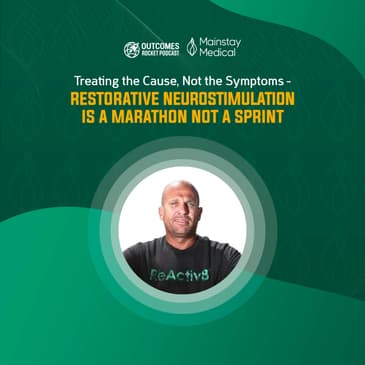
In this episode, Saul Marquez welcomes Grant Archard, an Australian Army veteran, to share his inspiring journey with Mainstay Medical's ReActiv8 therapy. Grant's military career shifted in 2005 when a parachuting accident caused severe back injuries, leading to persistent pain that affected his daily life. Despite trying various treatments, including radiofrequency injections, only temporary relief was found until he discovered the ReActiv8 implant, a less invasive option focusing on muscle repair. Emphasizing the mental and physical challenges of chronic pain, Grant encourages others to persevere in seeking effective treatments, sharing his transformative experience of not only managing pain but also reclaiming an active lifestyle, including completing an Ironman competition.
Tune in to learn about Grant's remarkable journey, the impact of ReActiv8 therapy, and the crucial role mental health plays in overcoming chronic pain!
Resources:
[00:00:00] Hey everybody, welcome back to the Outcomes Rocket, Saul Marquez here on this series that
[00:00:08] we're doing with Mainstay Medical on their reactivate therapy. Today I have the privilege
[00:00:14] of hosting Grant Archer on the podcast. Grant joined the Australian Army in 2001
[00:00:22] part of the Royal Australian Corpse Transport. He was posted to A-Field Battery and in 2005
[00:00:30] had a military parachuting accident and fractured his T-4, 5 and 6 vertebrae. He was medically
[00:00:36] discharged from the Army in 2013 due to back injuries and shoulder injuries and chronic pain
[00:00:44] and really experiencing a lot of the tough stuff from the military and he received the reactivate
[00:00:51] stimulator and he's here to tell his story. So really, Grant welcome to the podcast. It's such a
[00:00:57] pleasure to have you here. Gee, thanks for having me. Of course. Now I'm not as good at telling the
[00:01:02] story as you are Grant. So what did I miss in your intro? Tell us what you want us to know,
[00:01:08] what you want the listeners to know about you. Yeah, no that was a quick run down. So I joined
[00:01:13] the Army in 2001, did my basic training, posted yet to A-Field Battery, it's an artillery
[00:01:19] unit, Colesworthy. I was in transport at the time but being an airborne unit, everyone is encouraged to
[00:01:27] obviously do the parachute training course and that. So I'd done a number of jumps up to that
[00:01:34] point when I had me parachute accident. So we were jumping in just as a normal training
[00:01:39] exercise into the Singleton Trader Area with nearby. Someone got tangled in my parachute
[00:01:47] and we descended essentially under one reserve parachute. I don't remember a whole lot of it.
[00:01:55] I was conscious throughout the whole lot so the normal descent from a thousand feet is about 50
[00:02:02] seconds and they said we hit the ground in about 12 seconds. It was over pretty quickly.
[00:02:08] When I hit the ground, I just, I remember thinking I was going to die not because I was
[00:02:13] injured or anything because I was winded and just couldn't breathe like I said to that which
[00:02:17] I said it's funny like at that point I was just struggling for breath and that. I don't
[00:02:21] remember the landing as such, I just remember hitting the ground and being winded.
[00:02:26] I put in a military ambulance and then took it to the hospital, had CT scans and X-rays and
[00:02:33] found out I had a fractured T-4, 5 and 6. The specialists I seen after that
[00:02:40] explained the way the fractures were, wedge fractures and he said probably likely landing
[00:02:46] flat on your back and it could just spine up when you hit so that sort of explained how the
[00:02:51] fractures occurred. So I was in hospital for probably three weeks maybe at the military
[00:02:58] hospital at Holesworthy. Had to get a custom back brace made up so it came right up to
[00:03:04] my neck and virtually just made out of like a I guess a plastic and aluminium skeleton to hold
[00:03:11] me back nice and straight and wore that for probably maybe five to six months and I was off
[00:03:17] work for that time and doing rehab, mostly water rehab because obviously there was no pressure on
[00:03:23] me back doing that. So I think maybe after about six or seven months I went back to work part
[00:03:31] time in that and then probably after 12 months I was back to essentially full duties but there were
[00:03:38] things I couldn't do ever again like I was never able to parachute again and I think the following year
[00:03:44] I got posted to the school of transport and I was a driving instructor for the next couple
[00:03:49] of years but it the fractures healed up well and they ached every now and again but
[00:03:56] it was just me lower back that turned horrible after that like it caused a lot of lower back
[00:04:02] problems and problems with me discs in my lower back I guess and there on that's where
[00:04:07] all my problem was in my lower back. I see a lot of specialists over the time like
[00:04:14] sports doctors and physios and occupational therapists and osteos, chyros and
[00:04:22] essentially from that day on I never had a pain-free day.
[00:04:25] Did it start right away or at what point did the back pain, the lower back pain start?
[00:04:29] No I'd say probably maybe like 18 months after the accident like certainly the first 12 months,
[00:04:37] 18 months was up around where the fractures and that were like they took a while for the pain
[00:04:41] to go away up there and I think from what a lot of specialists explained to me that they said
[00:04:46] 90% of the strength in your back comes out of your muscles so being that I was in that back brace
[00:04:51] for six months it just wrecked me me lower back and took a and I got back to a level of fitness
[00:04:56] I said but I think it's just like anything when you've had an injury it never 100% goes back to
[00:05:02] to what it was so yeah that became a struggle and then I think the more I started to learn about
[00:05:10] pain and that and it took a long time like it to work out how it occurred in your body
[00:05:16] and that and I think at that point there was a big lack of understanding with me about how
[00:05:22] mental health and pain went together because the pain drove the mental health and the mental
[00:05:27] health drove the pain so getting on top of that so I was diagnosed with depression and then later
[00:05:34] on PTSD and then I got medicated to that and I did a few inpatient stays in a mental health
[00:05:43] clinic and that and that was fantastic like that for me for every day people would be a benefit not
[00:05:49] just the people with mental health problems I said the things I learned in there and how to manage
[00:05:55] my life and pain and and not focus on pain was a big thing yeah but yeah and then down the track
[00:06:02] I started seeing pain specialists on me back because it got to a point where I wasn't handling
[00:06:09] it it was starting to drive my life not me be the focus so I did pain management courses and
[00:06:16] they were really good they was just not inpatient ones but I'd just go in for the day and you'd
[00:06:21] see physios and doctors and specialists and do a lot of PowerPoint presentations on how to
[00:06:27] manage pain and a big thing that I took out of those was managing my work and rest ratio so
[00:06:34] before I would just go out and do something and get it done then I said after that I knew
[00:06:40] I'd be able to work for maybe half an hour and then I'd need to rest for an hour or two I think
[00:06:45] and then over the years I managed to work at how much I could do and how much I could rest but
[00:06:50] I was always in pain so that the pain never went away then probably it would have been maybe
[00:06:59] around 2017 so I've been seeing pain specialists in Newcastle near where we're living and had
[00:07:10] radiofrequency injections where they are I guess essential is the best I can describe is where
[00:07:14] they burn the nerve endings off to try and stop the pain that so that worked really well for a
[00:07:20] period of about six months and then it gave me probably maybe 30% relief in pain which for me
[00:07:26] was a massive improvement I could do stuff I could drive and not want to lay down afterwards I could
[00:07:33] do stuff around the house I could mow the lawn and not want to lay down and that sort of wore off
[00:07:38] after about six months had it done again it just lasted it just got less and less so it
[00:07:44] lasted about three months and then the last time I had it done it probably lasted a month
[00:07:48] I think and it wore off so it just diminished the benefit totally diminished
[00:07:52] like my specialist at the time Dr. Russo he explained to me said we can just keep doing it
[00:07:56] he said but the nerves just learn to repair themselves it gets less and less he said you'll
[00:08:02] end up in here every week just getting an injection that doesn't work so it's not sustainable
[00:08:07] yeah at that time he explained to me there was a few different options and to look at there was
[00:08:12] the spinal stimulator one where the cords went up the spinal cord but they just blocked
[00:08:19] the pain signal coming down and it was never it never felt like a viable option for me
[00:08:24] I because I was too worried about surgery near my spinal cord and that I was never a big fan of
[00:08:31] that and the other option was the reactivate implant which then was just a couple of electrodes
[00:08:39] into the muscles in the lower back and once it was explained to me that it then worked on
[00:08:47] repairing the muscle not just masking the pain and because the surgery wasn't obviously as invasive so
[00:08:54] it felt like a better option for me so it worked on fixing the problem not masking the problems so
[00:09:01] that's awesome and so it was a relief right you went from not knowing the answers to having
[00:09:09] some temporary relief to back to the same place and then you decided to go for it tell me
[00:09:17] how it was afterwards yeah it was good so the surgery itself was was only in hospital for one
[00:09:23] night so it was you come out pretty sore for the first week but then I think it's maybe
[00:09:31] a week or two weeks once the swelling everything settles down go back in and see
[00:09:36] one of the technicians from Mainstay and they then go through and program the reactivate
[00:09:41] implant and that's really done at a personalized level to you because every obviously everyone's
[00:09:48] lower back's difference you lie on the bed and they run the program starts out very very low
[00:09:54] where you can barely feel it in your lower back you feel like a little tingle on that and then
[00:09:59] they just adjust it up and trying to get both the left and right side of the back
[00:10:05] contracting at the same rate that sort of thing and got that adjusted up and started using it was
[00:10:11] probably maybe six months I started noticing a difference I guess you could pinpoint at that
[00:10:20] point I'm like I can feel some less pain but the big thing was I was noticing I was being able
[00:10:28] to do a lot more so although the pain was starting to come off a bit I was more functional I was
[00:10:34] able to drive and notice when I got home I continue on doing something I could go and mow the lawn or I
[00:10:41] could I wasn't worried about wanting to lay down afterwards oh and then probably six to 12 months I
[00:10:47] noticed an even bigger difference like I think my pain has dropped maybe 20% I guess which for me
[00:10:55] is I'm really happy with like I'm under no illusion that I'm ever going to be pain-free
[00:11:00] that's just something I've got to live with so but yeah probably that six to 12 months is where
[00:11:06] I noticed a massive difference in my functionality like I guess it's hard to put an number on but
[00:11:12] I'd like my functionality increased like 100% I reckon it that's insane whereas before I could
[00:11:20] take the kids to school and it's a half an hour drive I'd get home and just want to
[00:11:24] lay down for an hour or so I dropped the kids off get back and I was able to do stuff
[00:11:29] around the house so and then I guess the flying effect from that was going into Ironman and
[00:11:35] starting to trade for that like I had an exercise in probably 10 years and it was I had to start
[00:11:41] right at the bottom again like I guess learning to run again that's a huge jump like the Ironman
[00:11:47] now so can you remember that moment that sort of sparked the confidence in you to make a play
[00:11:54] yeah so that was prior to me implants I got a good mate and he'd done a 12 of them and my wife and I
[00:12:00] didn't talk about going up to see him and watching race and that we're sitting out the front one day
[00:12:04] and I was having a conversation with my wife and I said I'm gonna do what I mean and she goes
[00:12:09] yeah she goes no you won't she looks like you're like yeah right at that point she said no I'm
[00:12:15] not going to um I did it so you're like I'm doing it it was more that I have to do it now that
[00:12:21] I won't so that's so I sort of and this is probably a bad trait of mine is that I don't put a lot of
[00:12:30] thought into stuff sometimes so I jumped on went onto the Ironman website and at that point
[00:12:39] if that was in May 2022 so I had 12 months and I went I'm just gonna register because if I register
[00:12:46] and pay I can't pull out of it so when I did that and had to then formulate some sort of getting back
[00:12:55] into exercise as I said I hadn't done that in essentially since leaving the army so it just
[00:13:01] I always associated exercise with paid and I never wanted to do it so it was a big a big
[00:13:08] learning curve like I went from I went from running maybe one or two kilometers at the start
[00:13:15] where I'd have to run for a couple hundred meters and walk and then run and walk and then
[00:13:20] I just built on that each week I'd run a little more distance and try and increase my pace
[00:13:25] and built up to the point where I was able to run sort of 10 20 and eventually in trading I run
[00:13:34] out to the distance of a marathon to 42 k so crazy man so and then there's a there's it's
[00:13:41] a bike it's a swim bike run right in that order yeah yeah and you did it all yeah so the swim is
[00:13:51] 3.8 kilometers the bikes 180 kilometer ride and then a 42.1 I think or two a standard distance
[00:14:00] marathon so it it yeah it was I guess a lot of work because I was coming from nothing at the start
[00:14:08] and I think leading into it I had done all the distances individually in training in that
[00:14:17] but I wasn't sure if I'd be able to put them together in the race and I think mentally
[00:14:22] physically I was probably prepared but mentally I just went I'm not sure if I can do it even
[00:14:27] up to the point of race day I just went I don't know if I can put all three together
[00:14:33] and see what happens but yeah so I guess in between that so I started trading in May
[00:14:40] and then it was in August when I had the implant put in so I then had a disruption for a period of
[00:14:48] time to get over the surgery in that so I had I don't know it was probably maybe I guess three
[00:14:56] or four weeks training was interrupted to recover from surgery and then the switching on a
[00:15:01] reactivate but then I noticed at that point I was able to do again as we got through the sort of
[00:15:10] three six month mark after the implant I was able to do more training and be less affected afterwards so
[00:15:20] the same as then just my normal everyday activities I was able to do more and more
[00:15:26] without having to rest so long so yeah so then May come around and it probably come around a
[00:15:34] bit quicker than I was hoping but yeah so I did that in Port and Corian did it in four hours
[00:15:42] I think 40 minutes for me first one so nice man congratulations that's huge I don't know it's
[00:15:49] quite fully how did it feel yeah your whole body just hurts everything just dings I think that's
[00:15:57] I said but it's funny because you just your butt hurts because you've been on a bike for 180 kilometers
[00:16:04] every bit of skin just feels like it's been torn to pieces because it's just been rubbing
[00:16:08] to that low and the run was hard like I got to the run and it become a jog walk jog walk
[00:16:14] because at that time I was just spent and then I think I finished it so I probably started it
[00:16:21] maybe around seven o'clock sorry about eight o'clock in the morning and I think I finished a
[00:16:27] bit after eight thirty at night so it's you get to the point and you're running in the dark
[00:16:34] the course is lit and that I said but there's points where it's just the dark and it's
[00:16:38] lonely and that's one of my good mates he said it becomes more of a mental battle that a physically
[00:16:45] early up when he said because you're running in the dark on your own and it just you can hear in
[00:16:50] the background other people finishing and stuff it's like I've got another lap to go on me run
[00:16:56] or something but it's yeah you get to the I guess what they call the finish shoot it's just
[00:17:02] a big red carpet and lined with hundreds of people around you and you somehow you just get
[00:17:09] yourself across the line it's funny like at that point as tight as you are for exercising for
[00:17:16] twelve and a half hours all I wanted to do was have a shower and go to bed because I was just
[00:17:21] tired and so I said yeah from probably four o'clock in the morning that they start by
[00:17:27] the time you get up and get prepared I said all I want to do is just go to sleep because
[00:17:30] I was tired so I had a bad I had a shower and I think I laid down that was it it was just
[00:17:36] I was out for probably the next 12 hours till the next day so and how did the conversation go
[00:17:41] with your wife? It was good so I had a lot of family and that there and I'm sure your kids
[00:17:48] were proud too yeah good I think they because it's such a big day for them like they they got to
[00:17:53] see me and they were just ready for bed then but it was funny our young this fella
[00:17:57] he he said you might not be a first across the line Daddy Gus but you might be the first one in
[00:18:02] the ambulance so thanks for the support buddy so it's funny yeah no it was really good and having
[00:18:10] family there and when you cross the line I think it just gets you across that line because it
[00:18:16] it you get to the end point and you just you buggered like it just you don't want to move
[00:18:21] your legs don't want to move yeah but they you come across the finish line and they wrap a
[00:18:25] towel around you put a metal over you and I said oh the sudden you've just got these energy to keep
[00:18:30] going then so yeah that's awesome man well congratulations on that and wow so kudos to
[00:18:38] you and there's a lot of people out there Grant that are still struggling with a lot of the pain
[00:18:44] they haven't even gotten that 20 30 40 relief what what message would you give to them? I think
[00:18:50] the biggest thing is to not give up on pain and I guess I went through a similar thing like I'd seen
[00:18:57] multiple pain specialists over the time and they said no there's nothing more we can do
[00:19:01] that sort of thing you know so I think it's persevering and I guess the medical system
[00:19:06] shouldn't be like that I said but it's waiting to find a doctor and go this is what you need
[00:19:10] I said but I think now and since I've been working with with Mainstate and reactivate
[00:19:17] and having the benefit of it and realizing what it can do I said it's getting the word out there to
[00:19:24] people about the different treatment options I said not and I think and how we go about that I don't
[00:19:32] know but I said letting people know about that so they can go to their doctor and go this is
[00:19:37] something I want to try I said so many foreign people about what's out there so they can go to
[00:19:43] their specialist and say no I want to try A B or C because I saw this person do it or this
[00:19:48] person told me I can do this type thing so it it may take a long time I said that I think that's
[00:19:55] the hard thing is finding that balance between your pain but also the mental health part I said
[00:20:01] because the mental health part is sometimes just as big as the the pain part I said because
[00:20:08] for me for a long time was the driver of my pain and not wanting to exercise because I just
[00:20:15] I went mentally I went no because if I exercise my back's kind of hurt I don't want to do it
[00:20:22] so certainly getting out there getting help for the mental side of it then it's a massive
[00:20:30] improvement to then help with the physical pain as well totally it's a mental game as big
[00:20:36] as it is a physical game and finding the right options is key and kudos to you grant you sought out
[00:20:45] that help that mental health help the you lucked out with a good physician that had some good options
[00:20:52] for you you went for it and this is a transformation in my eyes what you've done yeah like I've
[00:20:59] had a bunch of conversations with other people I think I think certainly my wife but
[00:21:05] the biggest thing I keep going is that just I'm I've just seen myself as an average person I said
[00:21:10] I don't like the limelight as such a lot of the media stuff I've done since having the implant
[00:21:18] now it's been a big learning curve for me I said but it got to a point where I went
[00:21:23] I can use this platform to help inform other people I said totally no so I think that's a
[00:21:29] big thing like it that the eye man's a big thing and but I think it's achievable by anyone
[00:21:37] with just a bit of work and I said that that's all it takes I said but that little bit of work
[00:21:41] just needs to kick off from getting help from someone whether it be mental health help or
[00:21:48] the physical help to start someone's journey I said so it's achievable by almost any one I
[00:21:55] think now I think it just needs to start with a conversation whether that's with your partner or
[00:22:03] your GP or someone I said because it just once that happens then the options are out there to
[00:22:11] go look for them to find someone that's going to fit your needs for your healthcare to get you
[00:22:19] where you need to be yeah grant for sure well we appreciate you sharing your story and certainly
[00:22:29] inspiring me inspiring our listeners to really not stop and to get after it and there's options
[00:22:37] out there for you if you do have pain so check out the show notes we're going to leave some
[00:22:43] links to options for you if you're dealing with it or if you have patients dealing with
[00:22:47] back pain there's certainly hope for them grant is a testament to that so grant can't thank you
[00:22:54] enough for joining us today and this has been a true pleasure and we're looking forward to staying
[00:23:00] in touch with you appreciate the opportunity to get the message out there to people that
[00:23:03] there's hope and opportunity for them well hey you're the best message there is my friend so
[00:23:08] appreciate you jumping on geez thanks very much