
Always be prepared for inevitable, unexpected events in business and create a regular practice to navigate through them effectively.
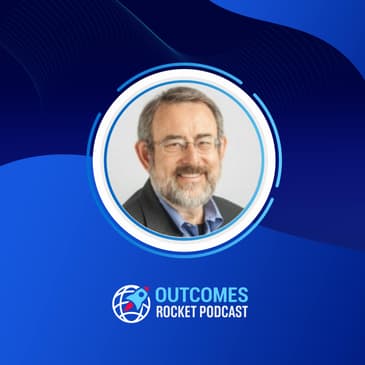
In this episode, Stan Rose, President of Rose Ventures, shares the keys to success as an entrepreneur in healthcare and his book "Can't Tame a Mongoose," which delves into navigating unexpected events in business. He shares his inspiring journey into healthcare innovation and entrepreneurship, which was motivated by his broad curiosity and the desire to make impactful discoveries that would improve people's lives. Stan discusses his experiences with the aspects of corporate culture, including building strong networks, financing, and adapting to unexpected events, all central to succeeding as an entrepreneur in healthcare. He explains how his upcoming book, "Can't Tame a Mongoose," delves into these critical aspects and provides real-world examples that offer valuable lessons for entrepreneurs.
Tune in to discover insights and lessons from Stan's remarkable journey in the world of healthcare innovation.
Resources:
[00:00:01] This podcast is produced by Outcomes Rocket, your healthcare-exclusive digital marketing agency. Outcomes Rocket exists to help healthcare organizations like yours to maximize their impact and accelerate growth. Visit outcomesrocket.com or text us at 312-224-9945.
[00:00:29] Hey, everybody. Saul Marquez with the Outcomes Rocket. I want to welcome you back to the podcast. Today, I have the privilege of hosting Stan Rose. He is a biologist, life sciences executive, and serial entrepreneur. Dr. Rose has spent over three decades working with leading scientists and clinicians to create substantial commercial value from investors related to DNA and genome analysis.
[00:00:56] During that time, he has raised more than $100 million in financing and led businesses to create $1 billion in market value by enabling advances in biological research, diagnostics, and therapeutics.
[00:01:11] Most recently, he was co-founder, president, and CEO of Transplant Genomics, which was acquired by Eurofins in 2019, whose true blood gene expression test enabled doctors to rule out silent rejection and kidney transplant recipients. Many more things that he's done, and we'll cover those in today's podcast. But really excited for you to join us, Stan. Thank you for being here. Thanks for having me, Saul. Appreciate it. Of course. Of course. It's a pleasure.
[00:01:40] And, you know, we were having some great discussions sort of before we hit the record, but around motivations for doing things. And so why don't you share with listeners what is it that got you into healthcare innovation to begin with? Yeah, well, I think the thing that got me into it to begin with, you know, was that I was actually pursuing a career in academia. And I was really frustrated by the fact that in order to be successful, you really had to focus very narrowly.
[00:02:09] And, you know, really sort of the objective was to become the world's expert in your niche and raise grant money and write papers and, you know, build a career around one very narrow area. But I've always had a bit of a problem that I've been interested in too many things. And I just saw so much opportunity in the world of what was then the emerging world of molecular biology and what became biotechnology.
[00:02:36] And that the roof at all was the opportunity to actually make discoveries that would lead to products and services that would help improve people's lives. And I came to the conclusion that the only way to effectively do that was what by being involved with a company.
[00:02:56] And, you know, I spent some number of years, was very fortunate early in my career that I got involved with some of the folks who really led the, what was then the Human Genome Project, which very, certainly focused me very much on the potential for DNA analysis and genome analysis.
[00:03:23] And then after that, got involved with the PCR business when that was just a brand new technology. And that was one of the most exciting things I've ever been involved in and certainly easily the most impactful if I think about all the areas in which PCR is now utilized.
[00:03:48] And then after that, it was really branching out on my own and trying to find ways to sort of experience that kind of impact again. And I will tell you that it was funny.
[00:04:06] I remember very distinctly having a conversation with one of the board members of what was then called the Management Committee of the Perkinel Mercedes PCR business. And I remember, and this was for seven years later, right? And we met at a conference. I remember he came over, he put his arm around me and says, weren't those days in PCR great?
[00:04:34] You're never going to have that much fun in business again. And I was just, I was devastated. And I thought, that can't possibly be the case. And ever since then, I've been, you know, really motivated to prove him wrong again and again and again. And fortunately have found some phenomenal people to work with over the years. Yeah, I had multiple experiences. No, that's great, Stan.
[00:04:59] So, so, so then you certainly have done it many times, you know, and, and so what would you say for the entrepreneurs listening, right? From your experiences with the PCR business at Perkinelmer, the work that you did, Southern Dynamics International, like what's the key to succeed as an entrepreneur? Well, I don't know if there is a single key.
[00:05:25] I certainly believe pretty strongly in sort of the combination of confidence, commitment, and persistence. And, you know, I find that often people who have success in, you know, in multiple successes, sort of have this combination of characteristics that almost prevent them from being stopped. Right, man.
[00:06:23] Of the inability of either a CEO or their team to effectively navigate past events they never expected or to leverage opportunities that they never anticipated.
[00:06:38] And I've spent a lot of time thinking about, you know, the kinds of approaches, values, skills that enhance the likelihood of being able to, you know, either get past or leverage those kinds of what I call inevitable unexpected events to ultimately get to a successful outcome. And, and, um, God, I don't want to take up the whole time talking about it here.
[00:07:05] Um, but, uh, yeah, it's been estimated that 90% of technology-based businesses don't survive more than five years. And these are businesses that, you know, were started by intelligent people who had good plans, who, you know, many of whom raised money. So their plans were vetted. Somebody believed in them. Um, they probably put pretty good teams together. And yet, you know, they still didn't succeed.
[00:07:34] And there's, there's been lots of discussion in business schools and accelerators and various consultants out there, you know, about, you know, the general nature of the things that prevented people from succeeding. But I think one thing that's, hasn't been discussed enough is, you know, being prepared to deal with events that you just never expected. Yeah. Regardless of the nature of those. So.
[00:08:01] And I like, I like how you refer to them, Stan, as, as inevitable, unpredictable things that will happen. I honestly have not met a CEO yet that I've spoken with, um, who hasn't experienced something like this. And, and just to be clear, even though I've read the book and am a fan of the whole idea, this is distinctly different from black swan events.
[00:08:31] So I'm not talking about, uh, sort of rare events that have outsized impact. Certainly those occur. And, um, and Nicholas Tlaib has written all about that. And, um, but I'm talking about things that happen much more frequently.
[00:08:45] Um, and, uh, you know, and again, frequently enough that if you've been around several years in any business, it would be shocking to me that you wouldn't have run into something you never saw coming. And so the untameable mongoose, is that the name of it? Can't tame a mongoose. Can't tame a mongoose. Can't tame a mongoose.
[00:09:11] It's a, it's basically, it's a West Indian saying that, um, I picked up in the Caribbean from a friend of mine that, um, that it has several meanings. Um, in sort of a derogatory sense, it can refer, it can mean somebody who is just stuck on a certain way of thinking or behaving. and it doesn't matter what anybody says, then they won't change. But in a positive sense,
[00:09:41] it can mean the type of person who is so committed to achieving their goal that it doesn't matter what you throw in their way. They're going to find a way around it. They can't be stopped. They can't be tamed. They're going to achieve their goal. And I love that. That's the way I view successful CEOs. You know, I love that. That's inspiring. And we all run into things in our businesses
[00:10:09] that could potentially discourage us from continuing, that could plant a seed of doubt. And this can't tame a mongoose concept that Stan's talking to us about is very important and one that we should keep in mind. And then there's probably a framework around that too, right, Stan? That's sort of like, what is it that makes the mongoose untameable? Right. And I, you know,
[00:10:37] I don't want to get so literally into what the mongoose does, but some of the aspects are, you know, it really is. It's so, so, so, you know, mongooses typically kill snakes. They do? Actually, they are not native to the Caribbean, but they were introduced there in order to kill snakes. There's a funny little story with that, as to why that wasn't so effective.
[00:11:04] But in any event, it's sort of this combination of focus and drive and creativity. Um, and if one thing doesn't work, you know, being open to pivoting and taking a different strategy. So all of those are relevant to CEOs, I believe in their success. But, you know, I'd throw in a few others such as,
[00:11:33] um, you know, building up a really strong network of relationships. Um, and then being, you know, not being afraid to leverage those, um, not being, you know, whether it's your board, your advisors, or just somebody you met somewhere along the way that, you know, that happens to have the skillset that maybe you never thought you'd need, but all of a sudden you do. Right. Yeah. So I think it's one reason that networking is so incredibly important. It's not,
[00:12:03] you know, it's the unexpected things that you can learn from people or, you know, or leverage that, um, you know, at the time you meet them, you might have no idea that you would ever need access to their skills. So there's that, there's relationships, um, there's financing. I mean, it's, you know, the number of companies that have underestimated how long it would take, how much money they'd need, and what the conditions were like at the time when they need the money, um, for raising funds.
[00:12:33] I mean, there's many stories of businesses failing because of that. So, you know, so I'm sort of always thinking about, um, you know, where would I get that extra money if I needed it? You know, some people are very conservative and will always try to raise significantly more than they need for this exact reason. Um, but at least thinking about what would I do if I needed more? Um, you know, what would I do if, you know, if, uh,
[00:13:02] the markets, you know, went South and didn't open up again for two years, right? Um, you know, it's COVID kind of thinking exactly. Um, yeah, I bet if you look back at who made it through and who didn't, um, I bet you'll find a correlation there. Um, so there's a host of things that like that, I would say, I would also throw in the, sort of various aspects of corporate culture. Um,
[00:13:30] so thinking about pulling together, um, diverse teams, people who have complimentary skills, creating an environment where people can thrive sort of independent of, you know, different approaches to work style, um, creating an environment where people just feel good about being there. And as a leader, just creating a shared sense of mission. Um, so that, you know, when you hit tough times, um,
[00:14:01] you know, people bailing, like, you know, they're, yeah, people are really committed. They, you know, they want to see this thing be successful. So that, that's sort of the flavor of what I write about. And then I just give some real world examples of, you know, things that I've lived through that, um, that I think are illustrative and will, um, hopefully people will enjoy reading about. So. That's fantastic. Stan. And, and, and there's so many people out there that haven't done it.
[00:14:30] And now they're writing books. They haven't done it. And now they're advising, um, Stan has done it. He's done it several times, very successfully. I'm always very interested in learning from people and leaders like Stan that have been there and done that. So, I'm excited to, to pick up your book when it comes out, Stan, and, and certainly look forward to digging in, you know, um, you know, and on the concept of sort of just the, the types of companies you've built,
[00:15:00] let's dig into a little bit of, uh, on your last one, just so, so we can learn about that. Transplant genomics. Like you really kind of helped with this concept of ruling out silent rejection and kidney transplants. Like where did the idea start? How did you grow into your first customer and, and then the eggs? Sure. Um, so the short background on this is that in, uh,
[00:15:28] I found out that I had a genetic disease called polycystic kidney disease. And nine years later in 2011, um, it turned out as a consequence of that genetic disease, I needed to have a kidney transplant. And, um, that all went really well. I'm eternally grateful to my living donor who was, uh, actually a coworker. Um, amazing. Who had, uh, donated one of his kidneys. Um, wow.
[00:15:55] And about two years later, um, you know, I was doing great. So I just assumed that my doctors have this covered, you know, they, uh, you know, they're watching out for me. But, um, a friend of mine sent me a paper about biomarkers and transplantation. And I read through it and I realized that they actually don't know how well I'm doing. And they're just watching, waiting to see whether or not I get sick.
[00:16:23] And at the point that I show signs of sickness, um, which is sort of outright rejection, um, it's pretty tough. I mean, it's, it can be managed. Um, but you've taken a hit in the likelihood that that kidney is going to last as long as it would have otherwise, um, is significantly lower. So, um, um, at the same time, I learned about this notion of silent rejection, which is,
[00:16:52] could there be a way to use biomarkers to, that you can detect in blood or in urine, um, to give you an indication that you had begun rejecting before you had any outward signs, before the physicians could tell that you were sick early enough to intervene, um, address the rejection that it started and enable, enable these kidneys to, uh, live longer and the patients to live longer. And, um,
[00:17:22] so that's what we set out to do. I, um, wound up, uh, uh, connecting with a group at Northwestern, um, and another group at Scripps, um, and, uh, the, the, the leaders of those two groups, uh, Mike Abacastas and Dan Solomon became my co-founders. And within a few months, we just started to, we decided to start a company at the time. I really thought, you know, with all the experience and knowledge I've accumulated,
[00:17:50] what could I possibly work on that'd be more important than, you know, a lot of things happened in between a lot of unexpected events. Um, we managed to navigate through one of the worst ones being that one of my, Dan Solomon, one of my co-founders, um,
[00:18:20] developed colon cancer and ultimately died. Wow, man. And this is both very sad, but also devastating to the company. And so, you know, it's, it's kind of, it's not something that I think anyone ever thinks about ahead of time. Like what would I do if my co-founder and, you know, and lead scientist, um, all of a sudden isn't there anymore. Um, so in any event, we held together as a team and we got through it and we ultimately, um,
[00:18:50] leveraged strong relationships with leading transplant programs and got our tests, um, both used in the, in the clinic as well as reimbursed by CMS. And then we became very attractive as an, acquisition target. And ultimately Eurofins came along and made a bid to acquire the company in which they did in, uh, may of 2019. And then, uh, I actually stayed on as CEO for a year and then as executive chairman for
[00:19:20] another year. Um, so I sort of slowly migrated out. Ween over time is, you know, people, you know, from within the organization, um, got more familiar with the business and, you know, things were on steady ground. So, um, so that, yeah, that's the, that's the TGI story. uh, man, that's a great story. And, and so now there's a test that allows you to look at these biomarkers and it's, it's urine and blood.
[00:19:49] Um, right now it's blood. Um, there are tests, um, being developed, um, in urine. You know, I'm fairly confident, you know, will become commercially available. It's, I can't imagine any reason why they won't, you know, based on the data I've seen, but they're just not far long enough yet in, um, you know, in terms of either the clinical validation studies that are needed to be published or, um, you know,
[00:20:19] or being reimbursable. And those, those two things are really critical for any diagnostic test. And that's, uh, that's awesome. Uh, great story and, uh, a success story at that with some examples of what we talked about at the beginning of the podcast, right? Some tragic events. Um, but just being that untamable longus to get through those things. Stan, this has been such a awesome conversation. Uh,
[00:20:48] I think when your book comes out, we should have you back on just to, to help share it with our listeners who, you know, is a lot of people in healthcare, leaders in healthcare are looking to make a positive difference. If you have to leave our listeners with any takeaway point, what would you leave them? Well, I think it's, again, it's, it's the main point of can't tame a mongoose. It's, um, just always be aware of the, what I call inevitable unexpected event. Um, it's, uh,
[00:21:17] no matter how much planning you've done, uh, no matter how much your plan has been vetted, something is likely to come up that you never saw coming. Um, and, uh, just being as prepared as possible for creating a, uh, a practice. I almost think about it as, uh, I spent a lot of time over the last few years with yoga and I think about it as sort of creating a regular practice that it, you know, if you're living that, then when the situation arises,
[00:21:46] you don't have to all of a sudden scramble, for example, um, to build a network or to wonder where am I going to access money or, um, to think about how might I pivot this business? Um, because you've already thought about other options. And so if that's all incorporating your approach to business, oh, and you've developed a culture where, you know, where the members of your team, um, you know, share your passion for the mission and, you know,
[00:22:15] and want to keep going, they're not going to bail on you. So, um, so yeah, that's to me, that's, that's, that's the closing message. And again, yeah, the, it's called canteen mongoose should be out in March. And, um, I think if anybody wants any more information, take a look at my website, which is at roseventures, all one word. Dot net, um, N-E-T. And, uh, yeah, Saul, thanks. It's been great talking with you. Oh yeah, no, this has been a ton of fun, Stan.
[00:22:44] Thank you so much. And folks, I say it every time. If something today inspired you, don't stop at listening, take action, check out, uh, Stan's website and we'll be back when he releases the book. So you guys could take advantage of the amazing, amazing experience that he's lived through and apply it to your own ventures and opportunities. Stan, thanks so much for being with us. Thanks for having me. Appreciate it. Take care.
[00:23:22] This podcast is produced by outcomes rocket, your healthcare exclusive digital marketing agency. Outcomes rocket exists to help healthcare organizations like yours to maximize their impact and accelerate growth. Visit outcomes rocket.com or text us at three, one, two, two, two, four, nine, nine, four, five. Thank you.