
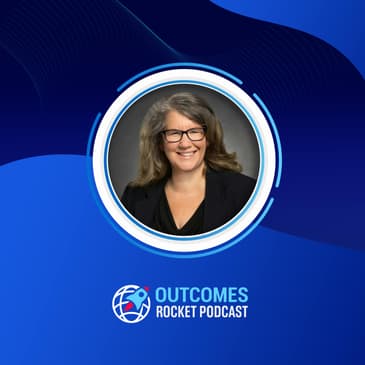
The Nurse's Voice: CareLuminate's Approach to Quality Data with Linda Komisak, co-founder and Chief Operating Officer at CareLuminate
February 09, 202400:20:24

The Nurse's Voice: CareLuminate's Approach to Quality Data with Linda Komisak, co-founder and Chief Operating Officer at CareLuminate

CareLuminate unlocks hospital quality by tapping into bedside nurses' firsthand insights, empowering patients and stakeholders to make informed decisions.

In this episode, Linda Komisak, co-founder and Chief Operating Officer at CareLuminate, shares her journey from working in emergency and trauma departments to co-founding CareLuminate with the mission of revolutionizing hospital quality measurement. She explains how the company aims to gather quality data directly from nurses to obtain accurate and accountable hospital quality data and provide transparent and comprehensive insights into hospital care. Linda emphasizes the critical role of accountability in healthcare and recounts setbacks in convincing stakeholders to invest in this innovative research approach. She also discusses Caluminate’s approach, setbacks, and the potential impact on healthcare transparency and patient empowerment.

Listen to this episode and learn valuable insights on hospital care, accountability, and empowerment within the healthcare landscape!


Resources: 

  • Watch the entire interview here.
  • Connect with and follow Linda Komisak on LinkedIn.
  • Learn more about CareLuminate on LinkedIn and their website.
  • Pick up a copy of Marty Makary's book, Unaccountable, here.
[00:00.000 --> 00:29.960] Hey, everybody. Welcome back to the Outcomes Rocket. Today, I have the privilege of having Linda Commissac on the podcast. She is the co-founder and chief operating officer at Care Luminate. And she co-founded the company with Taylor Davis in late spring of 2023, bringing her an impressive portfolio of delighted health clients. She's got an impeccable reputation for [00:29.960 --> 00:40.960] creating great experiences for health systems, partners, and ultimately patients. She's a nurse by background, and I'm excited to have her here on the podcast. Linda, thank you so much for joining us. [00:40.960 --> 00:44.960] I am so excited to be here. Thanks for inviting me. [00:44.960 --> 00:58.960] So, of course, folks, Linda and the team over there are doing incredible things, and I'm excited to share that with you guys here on the podcast. Before, though, Linda, why don't you tell us what inspires your work in healthcare? [00:59.960 --> 01:14.960] Mmm. So, as you mentioned, I'm a registered nurse by background. I have a pretty lengthy history in emergency and trauma departments across Detroit and Flint, Michigan, which is really what is motivating the work that I'm doing right now. [01:14.960 --> 01:21.960] Although, I think all of the things that I've done in healthcare have led me to this moment in my career today. [01:21.960 --> 01:39.960] Once I left the clinical bedside, I went back to school, got a business degree focused in information systems management and have been working with digital healthcare, some of the big box vendors, EHR vendors, and some small private equity owned kind of niche digital technologies. [01:39.960 --> 01:53.960] And what inspires me for where I am today is a situation in my own family. My father was critically ill last year. My family was trying to figure out the best hospital to take them. [01:53.960 --> 01:58.960] And my family, all my brothers and sisters have advanced college degrees. [01:58.960 --> 02:13.960] And we were talking about how hard it is to look at the CMS star scores or look at the lead from ratings and really understand the difference between a two star hospital and a four star hospital, or an A hospital and a C hospital. [02:13.960 --> 02:27.960] So when patients and families are making decisions, that the difference between two and four stars can literally be life and death, but there's no way to really see the story behind those those scores, if you will. [02:28.960 --> 02:42.960] Then I read Marty Macquarie's book on accountable and it really started to put the pieces together for me around what is really happening inside a hospital and I let me share a very personal story with you. [02:42.960 --> 02:54.960] So back in the day, when I was still working at the bedside, we had a surgeon, an OB surgeon that had a about a 30% bowel perforation rate with his C. [02:54.960 --> 03:04.960] That's a very serious complication. And, you know, one is bad. A 30 bowel perforation rate during a C section is terrible. [03:04.960 --> 03:18.960] And so as a nurse, I talked to my leadership about that. I talked to my leadership leadership about that. But this was a very beloved surgeon had a great bedside manner, community loved him. [03:18.960 --> 03:26.960] And he was a high volume doctor at that particular hospital and there was zero incentive for hospital administration to fix that problem. [03:27.960 --> 03:43.960] So back to your question. What inspires me today is I know that the nurses working at the bedside know hospital quality better than anybody else working in that hospital, because they're delivering the care that's being measured by CMS if they're delivering [03:43.960 --> 03:53.960] the care that's being measured by leak frog. So what inspires me is let's go talk to the source. Let's go talk to the nurses working at the bedside to ask them what's going on in your hospital. [03:53.960 --> 04:07.960] So that's what inspires me. It's my own experience. It's knowing that nobody knows what's going on in a hospital more than the nurses do. Nobody spends more time there than the nursing staff 24 hours a day, seven days a week. [04:07.960 --> 04:20.960] Thank you. Yeah, Linda. Great. Well said. And I think we've all struggled at one point or another to figure out where to go to truly understand how well a health system can deliver care. [04:21.960 --> 04:35.960] So this is a very unique way to get to that information and really in a very speedy way. So talk to us about here, Luminate and how you guys are doing what you do to add value to the health care ecosystem. [04:35.960 --> 04:49.960] Sure. So that's been the fun part of this. I've literally never been more mission driven about my work than I am about this. And working with Taylor has been both fun and educational and really exciting. [04:49.960 --> 04:58.960] When we started off with six pilot cities across the United States. And so I'll give you what happened at city number one. [04:58.960 --> 05:06.960] So we open research in Stockton, California, and we attempted to reach out to every single hospital in Stockton. [05:06.960 --> 05:15.960] There were six of them. We went to quality officers, chief financial officers, chief executive officers, nursing officers. [05:15.960 --> 05:20.960] Anyway, we could get to hospital leadership to let them know that this research was coming. [05:20.960 --> 05:32.960] And back then we were inviting hospitals to participate with us. We weren't sure how we were going to get to the nurses. We had not one hospital respond to us that they were interested in our research. [05:32.960 --> 05:39.960] So, okay, we still think this research is important. We went around research and what was the research that you guys were telling them. [05:40.960 --> 05:52.960] Oh, great point. So, so it's hospital quality research through the nurses working there. And we gave the hospitals all the questions that we wanted to ask the nurses. So there's two primary themes. [05:52.960 --> 05:57.960] The first thing is, does the nurse recommend the hospital to their loved ones for care? [05:57.960 --> 06:06.960] That's a really interesting question to ask a nurse. And the second question was really, would you recommend your hospital to another nurse to work. [06:06.960 --> 06:15.960] So, in these 20 minute interviews that we do with nurses, we cover those two topics. And then there are some sub questions that we ask around those themes. [06:15.960 --> 06:26.960] But the hospitals weren't interested in seeing quality through the eyes of their nurses. In fact, one nursing executive said to me, my bedside nurses don't know anything about quality. [06:26.960 --> 06:34.960] All they care about is that they have enough to get through their shift. And when I challenged on that, I said, but they're the ones delivering it. [06:35.960 --> 06:50.960] She was pretty convinced that her quality department who sits in an office in the administration had a much better handle on hospital quality than any of the bedside nurses, which as a nurse is both a little bit infuriating and it blows my mind. [06:50.960 --> 06:55.960] Where does she think the quality comes from a spreadsheet? Right. [06:55.960 --> 07:06.960] So, that's all we started is trying to work with the hospitals. Soon we were getting the Heisman. No, no, not here. Don't talk to us. Don't talk. Definitely don't talk to my nurses. [07:06.960 --> 07:18.960] We went around the hospitals and we went directly to the nurses. And once we did that and we had some nurses going through the interview process with us and coming out the end of it saying, wow, that felt like therapy. [07:18.960 --> 07:32.960] Nobody's ever listened to me like this before. They would go tell their friends about it. And pretty soon we had, well, I'll give you a very specific example. I talked to a nurse on a Saturday and it was a Saturday morning. [07:32.960 --> 07:43.960] And I said, Hey, what do you think of this interview? Is this helpful? And he was like, Yes, I think every nurse at my hospital needs to do this. And by Monday, I had 16 new appointments on my calendar. [07:43.960 --> 07:56.960] That's how from him. That's how enthusiastic he was about the research. And it just grew from there. Every time we talked to a nurse, we would say, anyone else that would be interested in adding their voice to this data. [07:56.960 --> 08:06.960] And nurses love it. This research, this kind of research has never been done before. So sure, there have been third party companies that have talked to nurses. [08:06.960 --> 08:16.960] We haven't found anyone that's gone around the hospitals to talk to the nurses directly. So we are literally talking to nurses as consumers, asking them about the quality in their hospital. [08:16.960 --> 08:26.960] And what's really great about our methodology is we can now look at the entire city of Stockton and we can compare quality of hospitals in a super transparent way. [08:27.960 --> 08:37.960] There's tons of research that nursing feedback is highly correlated to CMS H caps ratings. So now we can look at the entire market of Stockton through the eyes of nurses. [08:37.960 --> 08:51.960] And we can see how those hospitals quality compare. What has been really interesting in more recent months is our ability to now put the publicly available cost and pricing data on top of that quality. [08:51.960 --> 09:03.960] So now we can see where the dangerous expensive hospitals are, or we can see where the high value low cost hospitals are, which is super interesting as we start to integrate that data. [09:03.960 --> 09:19.960] So the value that care lemonade adds to the current healthcare ecosystem is reliable quality data from the professionals delivering that quality at the bedside and tied to the price and costs in that particular region. [09:19.960 --> 09:34.960] That's phenomenal. I think everybody listening to this once that information for their own healthcare, for their family's healthcare and just thinking about there's nothing else like that out there. [09:34.960 --> 09:39.960] What areas have you already done this in? Like, I know Stockton is one. Have you done it? [09:39.960 --> 09:50.960] We have. So Portland, Oregon, high cities, Michigan, so Saginaw Bay City, Midland, McAllen, Texas, Raleigh Durham, North Carolina, and Kansas City, Missouri. [09:50.960 --> 09:59.960] Amazing. So the work is being done. Is this available? Can people listening to this today go on a website and see it somewhere? [09:59.960 --> 10:13.960] It is not freely available yet. We're still six months old, seven months old, still figuring out our revenue path, but we are having some pretty exciting conversations with the people who pay for healthcare about having this data. [10:13.960 --> 10:24.960] That's fantastic. And obviously we're talking employers, payers, possibly brokers, brokers, employers, employer coalitions are very interested in this. [10:24.960 --> 10:32.960] We talk about the buccas as the payers of healthcare, but it's really the employers and the employees that are paying for this healthcare. [10:32.960 --> 10:37.960] Oh, yeah. Oh, yeah. That's who we think needs this data more than anyone. [10:37.960 --> 10:49.960] We also think hospitals that really want to make a difference. Hospitals that really do want to deliver high quality, low cost care should be interested in this. [10:49.960 --> 11:00.960] We're seeing that there's no incentive. What we have discovered in seven months of trying to work with hospitals on this data is hospital leadership is not incented to fix any of this. [11:00.960 --> 11:07.960] They're just not. They're just aren't incentives there for a hospital executive to take on this kind of work, which is sad. [11:07.960 --> 11:11.960] It is sad. And the work needs to be done on your website. [11:12.960 --> 11:17.960] You have a lot of like articles, headlines that rotate. [11:17.960 --> 11:22.960] And they point to the big need for this information, folks. [11:22.960 --> 11:26.960] I'd say go to careluminate.com. You'll see what I'm talking about. [11:26.960 --> 11:34.960] All these articles are no surprise, but certainly a big reason why Linda and the team are doing this. [11:34.960 --> 11:42.960] If you had to think about, you guys are really six months into this, but making big progress already over six states. [11:42.960 --> 11:47.960] Tell us about the potential setbacks you've run into, but learnings that have come out of it. [11:47.960 --> 11:50.960] You shared one at the beginning, but anything else that comes to mind. [11:50.960 --> 12:00.960] The setbacks that we've had have really been about people wanting to invest in this and really putting dollars to understanding the quality. [12:00.960 --> 12:04.960] And I get that health care is already very expensive. Why should I spend more money? [12:04.960 --> 12:10.960] Especially when there's this thought that there are alternatives to understanding quality. [12:10.960 --> 12:13.960] But as I said at the beginning, we think leapfrogs doing great work. [12:13.960 --> 12:17.960] And obviously CMS is doing great work around those quality measures. [12:17.960 --> 12:19.960] We just don't think they tell the story. [12:19.960 --> 12:25.960] So when we're creating a market such as careluminators, this has never been done before. [12:26.960 --> 12:29.960] The challenge is really getting people to say, yep, that that's worthwhile. [12:29.960 --> 12:30.960] That's worthy. [12:30.960 --> 12:33.960] That is something I'm willing to put some dollars to. [12:33.960 --> 12:36.960] And at seven months in, I'm not too worried about it. [12:36.960 --> 12:43.960] If we're having this thing con 12 to 18 months in, we'll be having a different conversation or careluminate will not exist. [12:43.960 --> 12:47.960] But we think the accountability piece is really the challenge. [12:47.960 --> 12:52.960] Again, I don't know if you've read the unaccountable book by Dr. Marty Mcer. [12:52.960 --> 12:53.960] I mentioned before. [12:53.960 --> 12:55.960] I highly recommend it. [12:55.960 --> 12:57.960] Casino health care was good. [12:57.960 --> 12:59.960] But this one's on my list now. [12:59.960 --> 13:00.960] Yes. [13:00.960 --> 13:01.960] Highly recommended. [13:01.960 --> 13:11.960] It is the lack of accountability and transparency in hospital, should alarm everybody who consumes health care, which is everybody in the country. [13:12.960 --> 13:24.960] The this idea that there's no accountability to improve the very heart of why patients are in the hospital is problematic for all of us. [13:24.960 --> 13:26.960] And it is the thing that raises costs. [13:26.960 --> 13:34.960] We had a couple of nurses at one hospital in Kansas City tell us different versions of this story and it went like this. [13:34.960 --> 13:41.960] Patient came in on a Friday was sent in by a family doctor with appendicitis didn't have surgery. [13:41.960 --> 13:43.960] The appendix ruptured over the weekend. [13:43.960 --> 13:45.960] Surgery was done on Monday. [13:45.960 --> 13:51.960] The patient was now in the hospital for six weeks with a painful surgical wound and IV antibiotics. [13:51.960 --> 13:52.960] All the things. [13:52.960 --> 14:01.960] What should have been a day surgery in and out laparoscopics and the patient home turned into a six week or deal for that patient. [14:01.960 --> 14:07.960] Which makes the cost the actual cost of that care very, very high. [14:07.960 --> 14:10.960] It makes for an unpleasant experience for the patient. [14:10.960 --> 14:16.960] And we heard that several times at one hospital from the nurses who work there. [14:16.960 --> 14:19.960] So where's the accountability for that? [14:19.960 --> 14:23.960] Where's the accountability when a surgeon says on a Friday, I don't feel like work in this weekend. [14:24.960 --> 14:28.960] The patients appendix ruptured and then sat there for another day. [14:28.960 --> 14:34.960] I mean, if hospitals made their AHRQ SOP surveys public, I think they're all doing it once or twice a year. [14:34.960 --> 14:40.960] They go out and they survey their staff about the systems of patient safety that exist in the hospital. [14:40.960 --> 14:43.960] If they made that public, that would be the first step. [14:43.960 --> 14:46.960] But again, there's no motivation. [14:46.960 --> 14:50.960] There's no incentive for hospitals to fix anything until these things are made public. [14:50.960 --> 14:53.960] And that's what care eliminates really trying to do. [14:53.960 --> 14:57.960] So the pushback is that we're creating a new market for this kind of research. [14:57.960 --> 15:03.960] And there's a lot of resistance and there's a lot of need to not get this data out there. [15:03.960 --> 15:06.960] Totally. And hey, we do need the data. [15:06.960 --> 15:10.960] So definitely kudos to you and the teams to actually make this happen. [15:10.960 --> 15:15.960] As you think about the biggest difference that this could make. [15:15.960 --> 15:19.960] What does that look like for employers and patients? [15:19.960 --> 15:28.960] So I think being able to tell the stories of health care quality that aren't down to a letter grade or a number of stars on a hospital's front page. [15:28.960 --> 15:36.960] But really understanding what is my care experience likely to be when I'm laying naked under the sheet in a hospital. [15:36.960 --> 15:37.960] Right. [15:37.960 --> 15:46.960] So I think when you can start to translate, here's what your patient experience will look like is really the game changer here. [15:46.960 --> 15:53.960] This is what 500 nurses across Kansas City have told us about care in their hospitals. [15:53.960 --> 15:57.960] This is what you might experience when you're a patient in one of those hospitals. [15:57.960 --> 16:00.960] That's the difference. That doesn't exist today. [16:00.960 --> 16:04.960] Yeah, because if you think about it, a couple of stars don't really tell you much, right? [16:04.960 --> 16:08.960] You could guess what that mean or you could get more. [16:08.960 --> 16:09.960] Right. [16:09.960 --> 16:14.960] If I went out to the CMS website and I even understood what I was looking at. [16:14.960 --> 16:21.960] If one of the stars ratings that I see is a catheter and acquired urinary tract infection. [16:21.960 --> 16:24.960] If I don't have a catheter, that doesn't apply to me. [16:24.960 --> 16:25.960] Right. [16:25.960 --> 16:32.960] Like, how do I make those quality ratings meaningful to me and what's happening with my medical care. [16:32.960 --> 16:40.960] If I have a high post-op surgical infection rate, gosh, that sounds bad, but I'm not having surgery. [16:40.960 --> 16:42.960] So maybe that doesn't apply to me. [16:42.960 --> 16:48.960] I think there are ways to talk yourself out of how bad the care might be because that happens to somebody else. [16:48.960 --> 16:50.960] That doesn't happen to me. [16:50.960 --> 16:51.960] Yeah. [16:51.960 --> 16:52.960] Makes sense? [16:52.960 --> 16:53.960] It does. [16:53.960 --> 16:54.960] Yeah. [16:54.960 --> 16:56.960] So the opportunity is big here, Linda, no doubt. [16:56.960 --> 17:02.960] As people, you know, listening today think, wow, what can this mean for me? [17:02.960 --> 17:04.960] What call the action would you leave them with? [17:04.960 --> 17:11.960] Gosh, pay attention to what we're putting out there and hold your hospitals accountable for what the nurses are saying. [17:11.960 --> 17:14.960] The nurses know they've been the most trusted. [17:14.960 --> 17:21.960] According to Gardner, they've been the most trusted profession in the United States for at least the past 18 years. [17:21.960 --> 17:22.960] Listen to them. [17:22.960 --> 17:23.960] Trust them. [17:23.960 --> 17:24.960] They know what they're talking about. [17:24.960 --> 17:30.960] They care about the work that they're doing every day and they have great insights. [17:30.960 --> 17:36.960] There's an old joke among the surgeons I used to work with that if you wanted to know where to go to get care, [17:36.960 --> 17:38.960] you ask the nurses. [17:38.960 --> 17:39.960] You don't ask the doctors. [17:39.960 --> 17:41.960] You don't ask your peers. [17:41.960 --> 17:46.960] You ask the nurses because they know everything that's happening inside a hospital. [17:46.960 --> 17:47.960] Yeah. [17:47.960 --> 17:50.960] Well, hey, it's not really a joke anymore, is it? [17:50.960 --> 17:51.960] It is. [17:51.960 --> 17:52.960] It has been. [17:52.960 --> 17:57.960] So I've been a nurse really long time and some things haven't changed. [17:57.960 --> 18:05.960] There are still, there's still a lot of protectionism within healthcare and we can't let this data out because we'll be open to a lawsuit. [18:05.960 --> 18:07.960] And that's been going on for 30 years. [18:07.960 --> 18:09.960] Nobody's been incentive to fix it. [18:09.960 --> 18:10.960] Nobody. [18:10.960 --> 18:16.960] If there's still this idea of what happens in our hospital only belongs to us. [18:16.960 --> 18:25.960] And I think you could go Google and find a untold number of stories of patients who wanted to understand what was happening to them in the hospital. [18:25.960 --> 18:27.960] And they were denied that information. [18:27.960 --> 18:30.960] So this is a different way to go about it. [18:31.960 --> 18:34.960] And we think accountability is everything in healthcare. [18:34.960 --> 18:40.960] And if it's not, if we can't fix the accountability problem in healthcare, it doesn't matter what we do around payment reform. [18:40.960 --> 18:50.960] It doesn't matter what we do around access because healthcare can just continue to cut corners until we hold until we can't hold them accountable for the outcomes and the results. [18:50.960 --> 18:51.960] Yeah. [18:51.960 --> 18:52.960] Well said, Linda. [18:52.960 --> 18:59.960] Well, look, I certainly appreciate you jumping on the podcast today to share more about your illuminate and the very impactful work. [18:59.960 --> 19:02.960] You guys are up to their folks in the show notes. [19:02.960 --> 19:08.960] You'll see links to Linda as LinkedIn here, illuminate.com is there. [19:08.960 --> 19:18.960] So make sure you check them out and make sure you share this important work with the people that you know, because it's about your life and about your family's lives. [19:18.960 --> 19:21.960] And we want to live better, longer lives. [19:21.960 --> 19:25.960] And so Linda, really appreciate what you have done and continue to do. [19:25.960 --> 19:28.960] Thank you for having me on the show and letting me tell the story of careless. [19:28.960 --> 19:29.960] Thank you. [19:29.960 --> 19:30.960] Of course, our pleasure. Transcription results written to '/home/forge/transcribe2.sonicengage.com/releases/20240207164437' directory